Heatherlands Primary School

Part of Coastal Learning Partnership
Year 5 blog posts
We have been incredibly impressed with how Year 5 have settled into the new school year. They have earned lots of Golden Tickets and continue to show fantastic resilience, positivity and determination every day.
In Maths, we have been exploring efficient methods for solving equations, including using the inverse, rounding and compensation, as well as developing our understanding of addition and subtraction strategies.
In English, we have been analysing the character of Odysseus, describing both his appearance and his clever, cunning personality. The children have loved challenging themselves to include our Words of the Day and have impressed us with the quality of their writing.
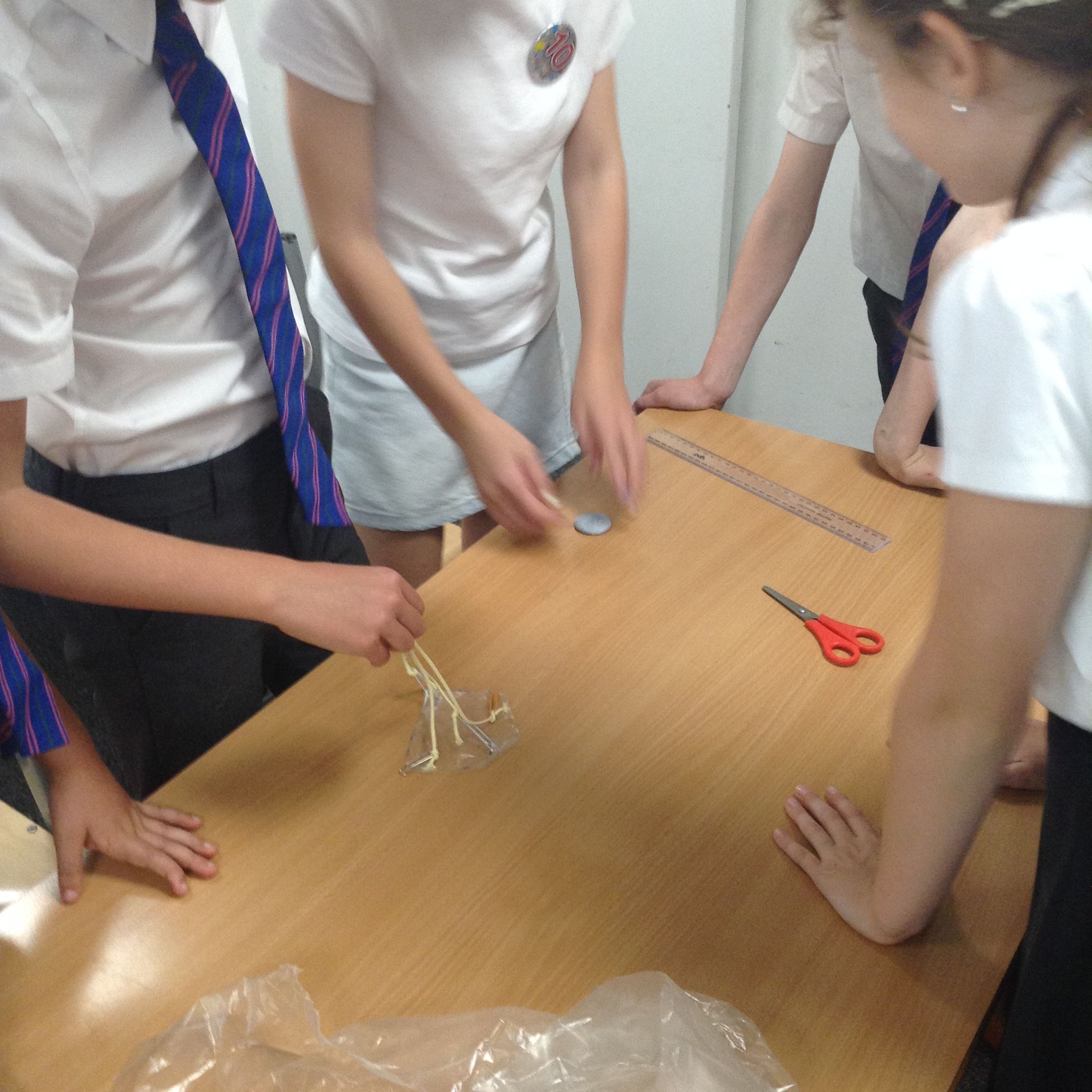
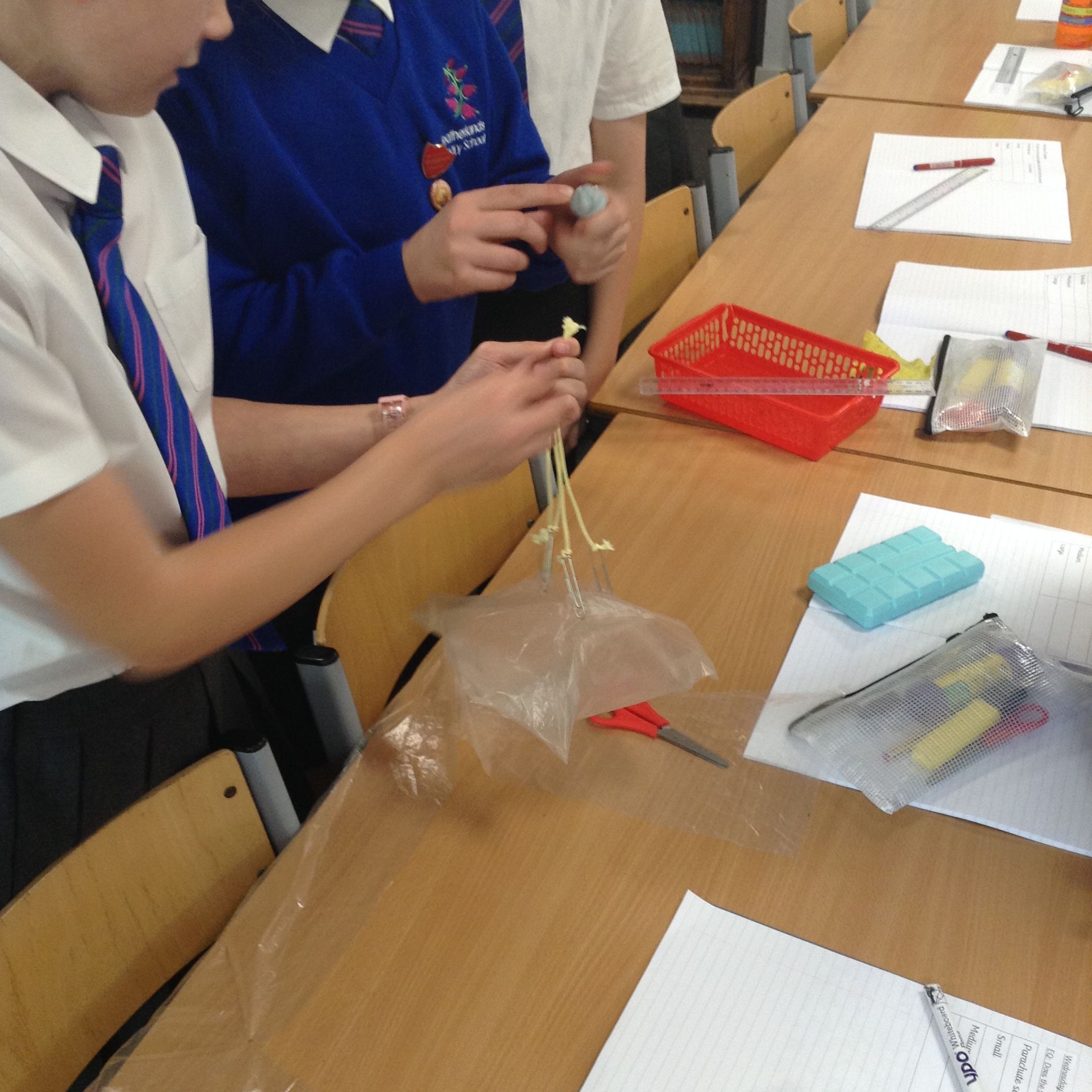
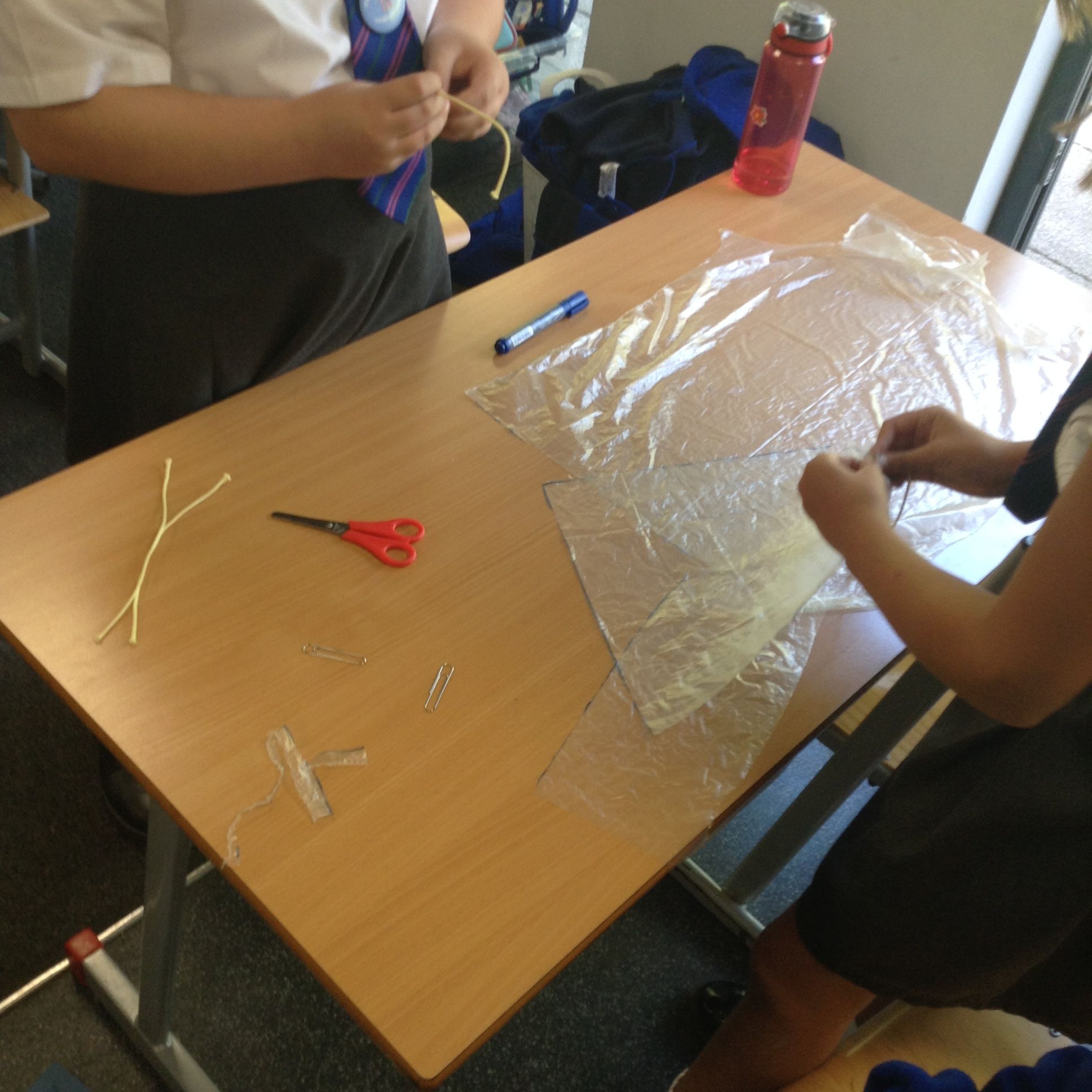
In Science, we investigated air resistance by designing and testing parachutes of different sizes. The children demonstrated excellent teamwork, problem-solving and resilience throughout the investigation.
In History, we have begun our Ancient Greece topic, exploring primary and secondary sources and considering how reliable they are. This has given us a great foundation for our upcoming Greek Day!
We have also been delighted with the effort children are putting into their homework, which is helping to consolidate and strengthen their learning.
Thank you, Year 5, for such a fantastic start to the year. Keep up the amazing work!
The Year 5 Team
Year 5's Fantastic First Week!
What a fantastic start to the year for Year 5! We are incredibly proud of how well the children have settled into their new routines. They have demonstrated excellent behaviour and have shown great responsibility when moving around the school and in the classroom.
In Science, we have been exploring friction through investigations and discussions, using our oracy skills to explain our thinking. The children enjoyed testing different materials to discover which created the most friction and sharing their findings with one another.
In Maths, we have been working hard on place value, building confidence with larger numbers and developing our understanding of number systems.
Meanwhile, in English, we have begun reading The Adventures of Odysseus. The children have made an excellent start on their setting descriptions and are already creating some fantastic and imaginative vocabulary to bring their writing to life.
We look forward to another exciting week of learning ahead! 🌟
2026 - 2027
Year 5 Forest School
Friday 3rd July
Year 5 had a wonderful day taking part in Forest School activities in the sunshine. Forest School provides an excellent opportunity for children to show respect for their local environment while developing their resilience, independence and teamwork skills.
Pond Dipping and Nature Sketching
Our first activity was pond dipping in the valley. While one partner carefully used a net to explore the pond for wildlife, the other created beautiful still-life sketches inspired by the natural surroundings. The children demonstrated fantastic respect for nature, observing the wildlife scientifically before gently returning it to its habitat. It was wonderful to see their curiosity and enthusiasm as they discovered a variety of pond creatures.
Den Building
The second challenge involved den building. Working collaboratively in teams, the children had to design and construct a sturdy shelter using natural materials. This activity encouraged teamwork, communication and problem-solving skills. The children also practised knot-tying techniques and learned the importance of listening to one another's ideas to achieve a common goal.
Friendship Bracelets
Our final activity focused on plaiting and creating friendship bracelets. The children worked together, helping one another to master new skills and create colourful bracelets to take home. This was a lovely opportunity to build friendships while developing patience and perseverance.
A Fantastic Day Outdoors
Overall, the children had a fantastic day enjoying the sunshine and engaging with the natural environment. They showed excellent behaviour throughout, demonstrating respect, resilience and independence in all activities. We are incredibly proud of how they embraced each challenge and made the most of their Forest School experience.
Well done, Year 5 – what a wonderful day of learning outdoors! 🌿☀️🌳

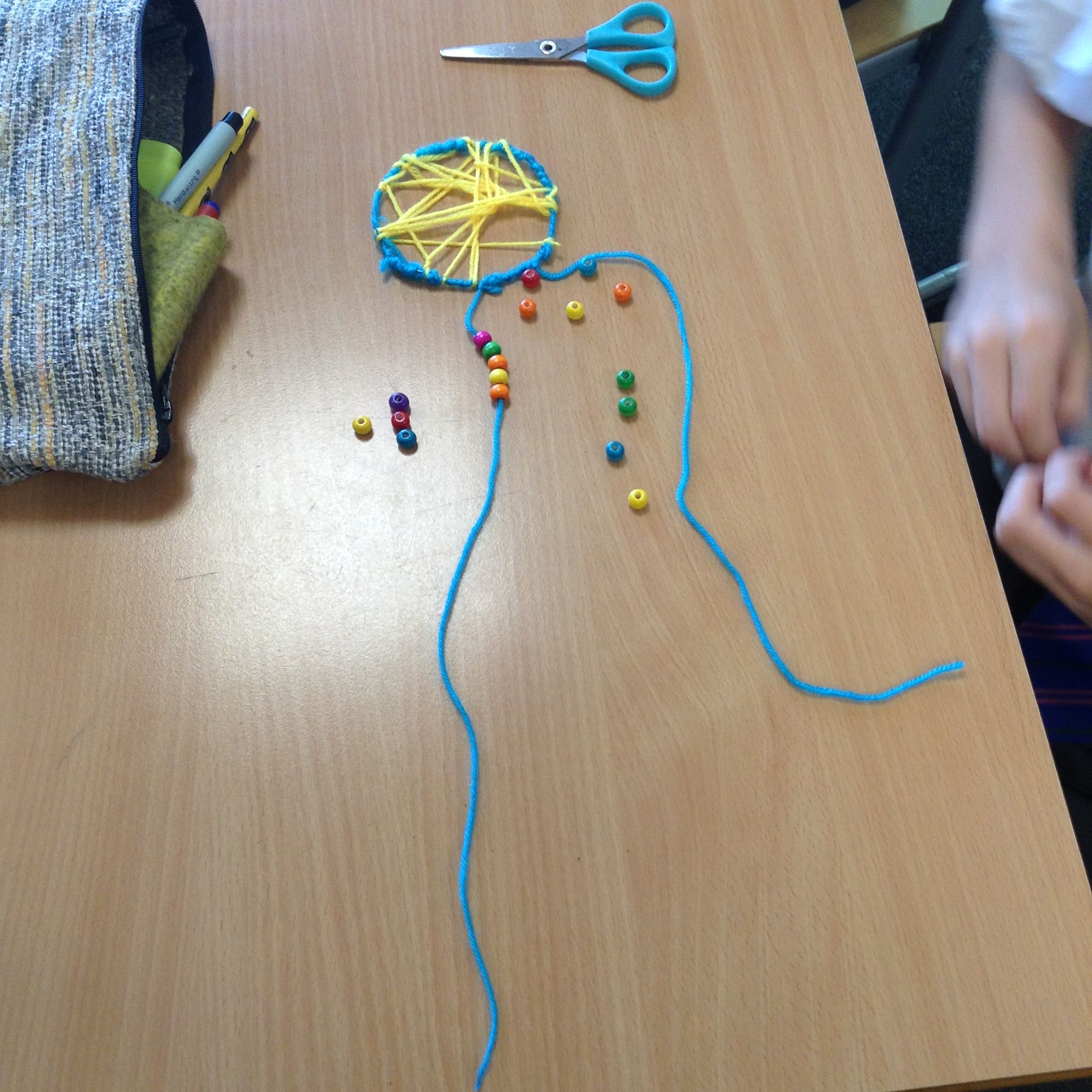
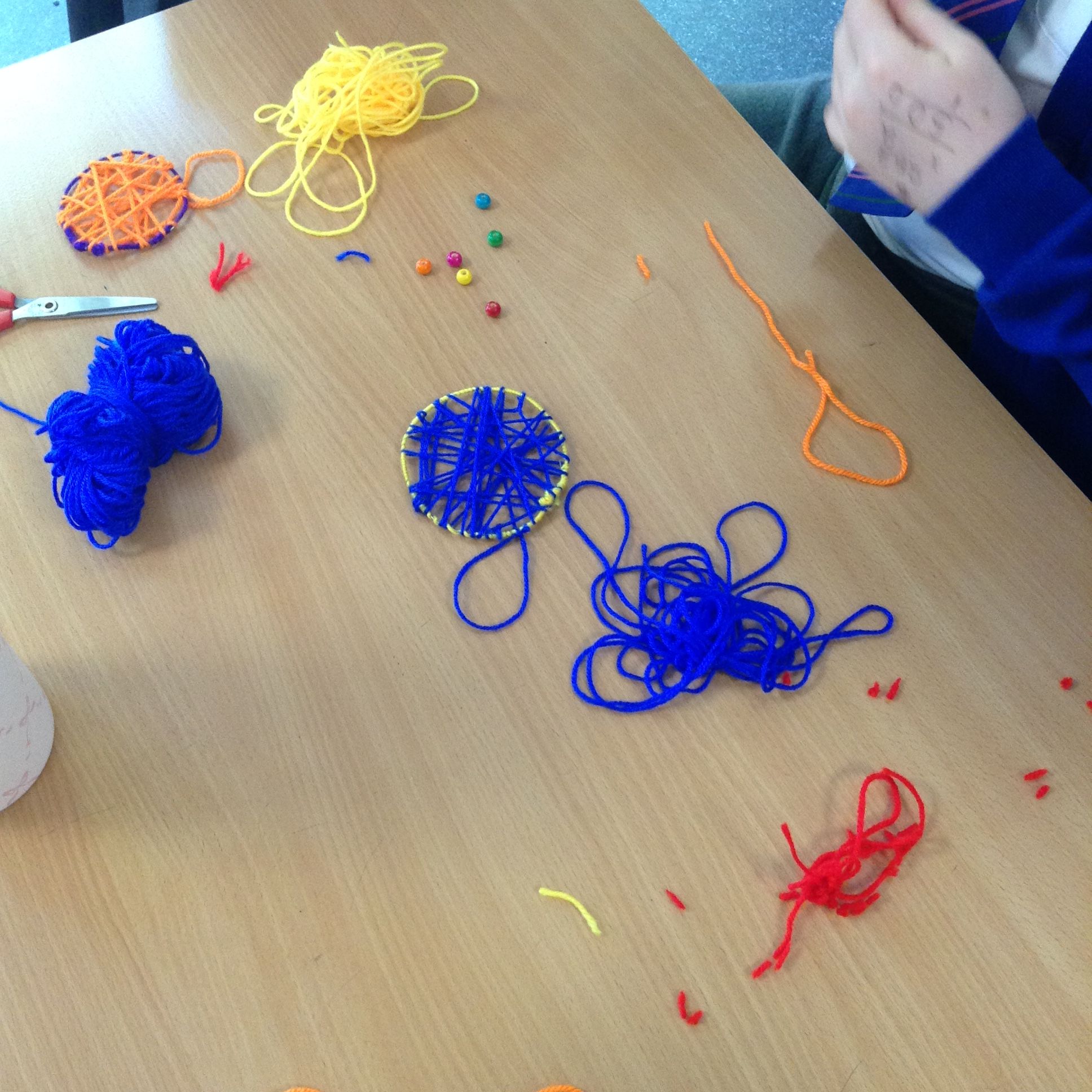
Year 5 have had a wonderfully creative start to the week as they prepare for the upcoming Summer Fayre. On Monday afternoon, everyone spent the afternoon DT‑ing away to design and make their very own vibrant Dreamcatchers.
These masterpieces were crafted using a wide range of materials — wool, beads, wire, feathers and plenty of patience. Each pupil brought their own creativity to the task, resulting in a collection of dreamcatchers!
Year 5 can’t wait to share their creations with families and visitors at the Summer Fayre. They’re confident that these dreamcatchers won’t just brighten up any room — they’ll be perfect for catching bad dreams, helping everyone wake up refreshed and ready for another great day at school.
We’re incredibly proud of their hard work and can’t wait for the community to see what they’ve made.
Year 5 Enjoy Inspiring Live Webinar with Michael Morpurgo
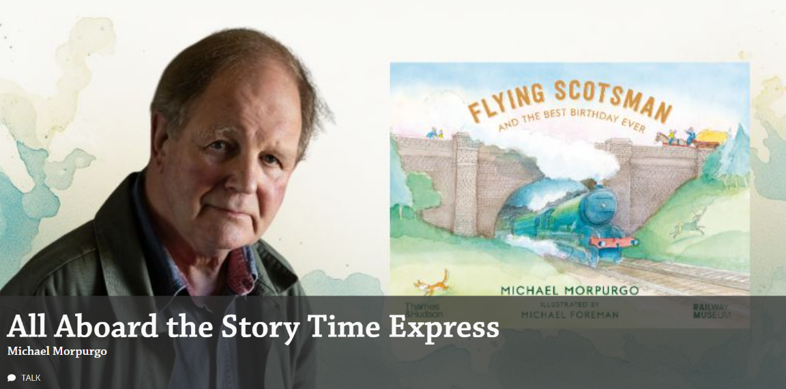
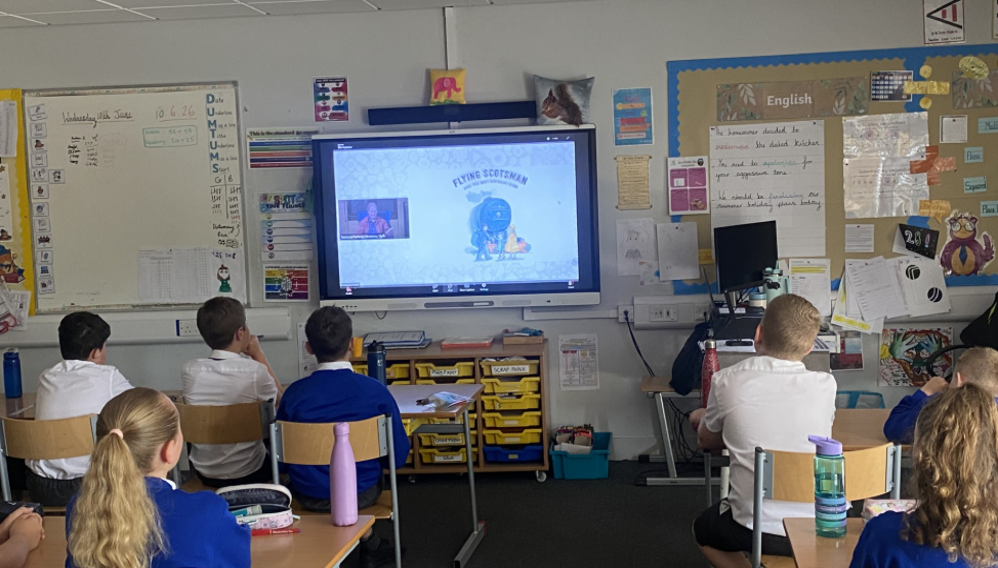
On Wednesday 10 June 2026, Year 5 pupils at Heatherlands Primary School had the exciting opportunity to take part in a live online Zoom webinar featuring one of Britain’s most celebrated children’s authors, Michael Morpurgo OBE.
The session, which ran from 10:00–10:45am, was part of the annual Michael Morpurgo Celebration Day and helped mark the National Year of Reading 2026. This special event was offered free of charge to schools and home-educated children, enabling our pupils to join thousands of young readers across the country in an inspiring shared experience.
A Journey into Storytelling and Steam
The webinar brought literature to life as Michael Morpurgo read extracts from his much-loved book, Flying Scotsman and the Best Birthday Ever, beautifully illustrated by Michael Foreman. Set against the backdrop of the National Railway Museum in York, Morpurgo delivered his reading from beside a real locomotive, surrounded by the gleam of brass—truly capturing the magic of the golden age of steam travel.
The story follows Iris, a young girl whose father drives the iconic Flying Scotsman. Each year, she visits him for her birthday, dreaming of one day riding in the driver’s cab herself. The tale sparked pupils’ imaginations, celebrating determination, curiosity and the excitement of adventure.
A Unique Opportunity for Our Pupils
Hosted by Katie Razzall, BBC News Culture and Media Editor, the live session also included a Q&A opportunity. Although cameras and microphones remained muted, children were able to submit thoughtful questions through the online platform, giving them a chance to engage directly with the author.
Our Year 5 pupils thoroughly enjoyed hearing about Michael Morpurgo’s inspirations and learning about his incredible writing career. With over 150 books published and more than 35 million copies sold worldwide, Morpurgo’s stories—including War Horse, Kensuke’s Kingdom and The Butterfly Lion—have inspired generations of readers.
Promoting a Love of Reading
The webinar was not only a memorable experience but also an important opportunity to nurture a love of reading and storytelling within our school community. Engaging with a renowned author in a live setting helped pupils see the creativity and passion behind books, encouraging them to explore their own reading and writing further.
We look forward to building on this experience as we continue to celebrate reading throughout the year!


Test Materials – Magnetism, Transparency and Hardness
Today, Year 5 explored material properties. With a selection objects and three simple experiments, the children investigated transparency, hardness, and magnetism — and made some scientific observations along the way.
Transparency
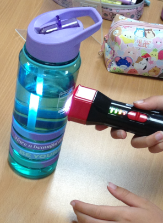
The first investigation involved shining a torch through different objects to see how much light could pass through.
-
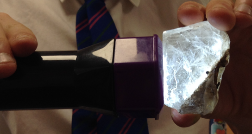
- Transparent – letting most light through
- Translucent – allowing some light through
- Opaque – blocking light completely
Marble is opaque; the light cannot go through it. A blue plastic water bottle is translucent because some of the light could pass through.
Scratch Test
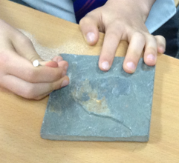
Next came the scratch test, where pupils used a nail to test how resistant each material was to scratch.
- Harder materials showed little or no marking
- Softer materials developed scratches or grooves
One of the most exciting discoveries was realising that sometimes the nail was being worn down — not the object!
Magnetism
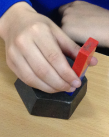
The final test involved magnets, which proved to be a class favourite. The children explored which objects were magnetic.
- Not all metals are magnetic
Recording Results with a Venn Diagram
To bring all their findings together, the children used a Venn diagram. This helped them clearly see how some objects shared more than one property — for example, a material could be both hard and magnetic, or translucent and non‑magnetic.
Year 5 showed fantastic scientific thinking today: observing carefully, testing fairly, and explaining their results with confidence.
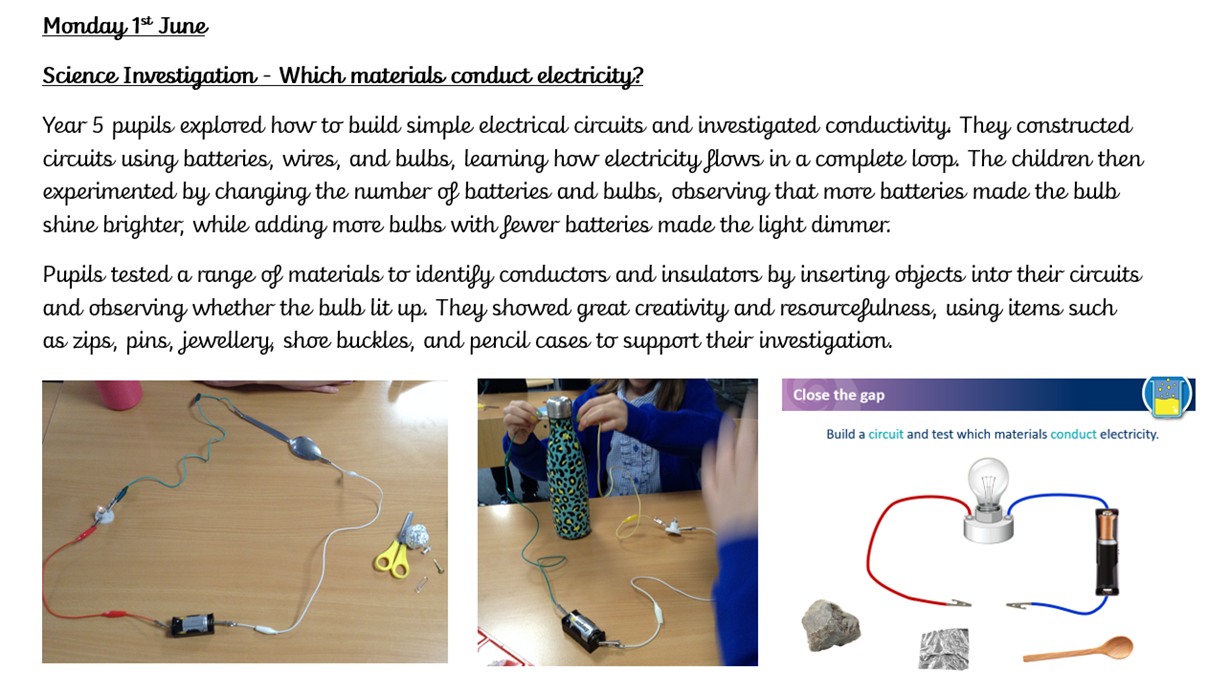
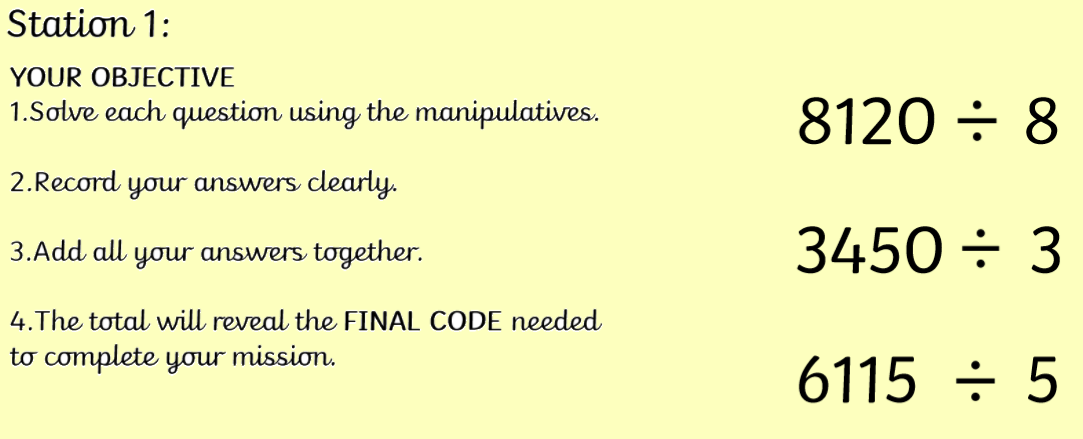
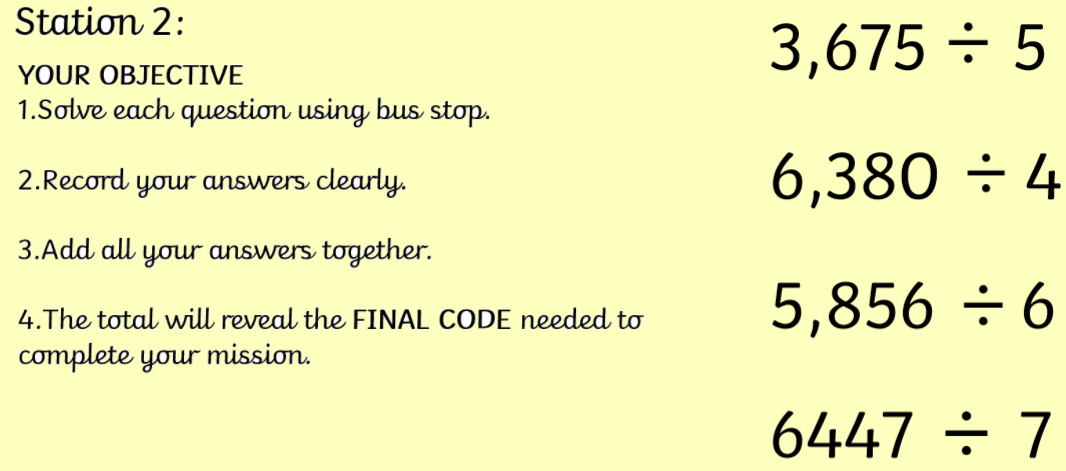
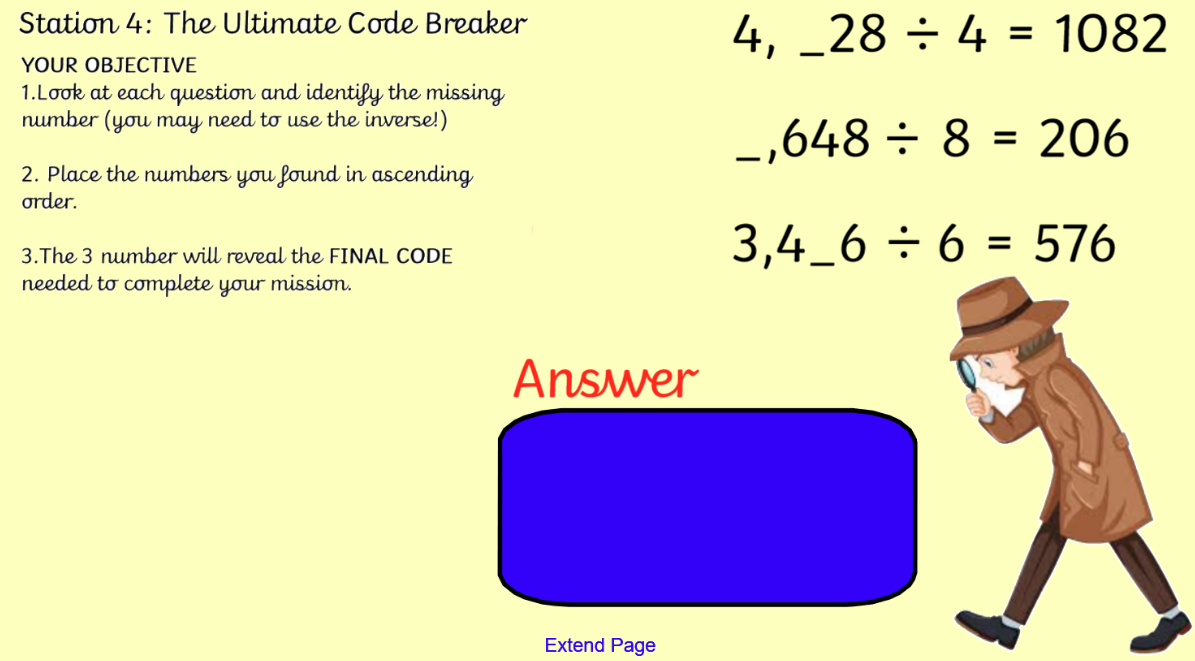
Today in maths, we put our division skills to the test by taking part in four active Number Detective stations. The children showed great independence as they worked through the tasks and really deepened their understanding of formal methods of division.
Year 5 African Culture Experience
Today, Year 5 were joined by Kwame from Africa Activities for an exciting and enriching cultural experience. The children took part in African drumming and dance workshops and had the opportunity to listen to traditional cultural stories, gaining a deeper understanding of African culture.
All pupils were highly engaged throughout the day and showed excellent respect and enthusiasm while participating in every activity. It was a fantastic learning experience enjoyed by all.
A big thank you to the parents who contributed towards funding this event – your support helped make this memorable day possible.


Year 5 Assembly – Escapeline Visit
Today, Year 5 were joined by Escapeline, who delivered an important assembly on county lines. They spoke to the children about the dangers involved and the methods that county line gangs often use to recruit young people.
The children learned about the four stages of recruitment:
1. Targeting Stage
Gangs observe and target children in places such as parks, outside schools, supermarkets, or through social media and online platforms, including gaming. Gang members often wear normal clothing to appear friendly and approachable.
We also discussed how to keep ourselves safe online—such as not checking in to locations and avoiding posting photos in school uniform.
2. Experiment Stage
In this stage, gangs may give a child a simple task to test whether they can be trusted, slowly increasing involvement over time.
We talked about the importance of never accepting drinks or vapes from others, as we cannot know what they contain.
If approached, children were reminded to:
- Avoid getting into conversation
- Not accept anything
- Make an excuse and walk away
- Get to a safe place
- Tell a trusted adult
The children also had an opportunity to discuss the dangers of knife crime.
3. Hooked Stage
Gangs begin making the young person feel special, while speaking negatively about parents or teachers to create dependence on the gang. They may encourage drug use or involvement in knife crime.
4. Trapped Stage
At this point, gangs may claim the young person “owes” them money, making them feel unable to leave.


Escapeline worked with the children to help them recognise the signs of county lines activity and to understand how to keep themselves safe.
The Recovery Position / First Aid lesson
Today, the Year 5 cohort were delivered a first aid workshop in which they were taught how to put someone into the recovery position. They practised this in pairs, receiving coaching from teachers and support staff. They were then given various emergency first aid scenarios and were asked to explain the response needed, i.e., ‘if someone is unconscious but still breathing’, put them into the recovery position, as well as ‘if someone is badly cut and bleeding excessively’, raise the wound, wrap, apply pressure and seek medical attention.
Remember – Call 999 for emergency help if it hasn’t already been done. Monitor their level of response while waiting for help to arrive.


Year 5 explored the effects of air resistance and discovered how streamlined objects experience less drag. Children were given a selection of materials and asked to develop their own key investigation questions, such as “Does the size affect how high it flies?” or “Does the material affect how high it flies?”
As part of their enquiry, pupils identified their independent and dependent variables, and discussed how to ensure it was a fair test. They then designed and created launchers using plastic bottles and tested how high their paper models could fly.
To ensure accuracy, each result was measured three times, allowing the children to compare data and look for patterns. Throughout the session, pupils demonstrated great resilience, excellent teamwork, and a strong sense of scientific curiosity.


Year 5 had an exciting and eye‑opening morning taking part in a Money Workshop delivered by Jared from The Money Charity. The session introduced the children to key financial vocabulary—taxes, finance, budget, sterling—and helped them understand what these terms mean in everyday life.
One of the highlights was a price‑estimation activity. Children were asked to guess the cost of everyday items that adults regularly buy, as well as things they might want themselves. Their reactions were priceless: a loaf of bread estimated at £4.10 (actual price £1.40) and a pack of 16 Andrex toilet rolls guessed at £3 (actual price £11.50). The toilet roll reveal caused absolute outrage!
To finish the workshop, the children were given an imaginary £450 to plan a party. They had to think carefully about budgeting, guest numbers, food, drink, decorations, and entertainment. It was a brilliant opportunity to practice real‑life decision‑making.
Afterwards, we asked the children what they thought of the session. Their reflections say it all:
“I like it because we get to learn about money and what adults think about money too.” “Stuff is expensive.”
A fantastic workshop that left Year 5 more informed—and a little more shocked—about the cost of living!


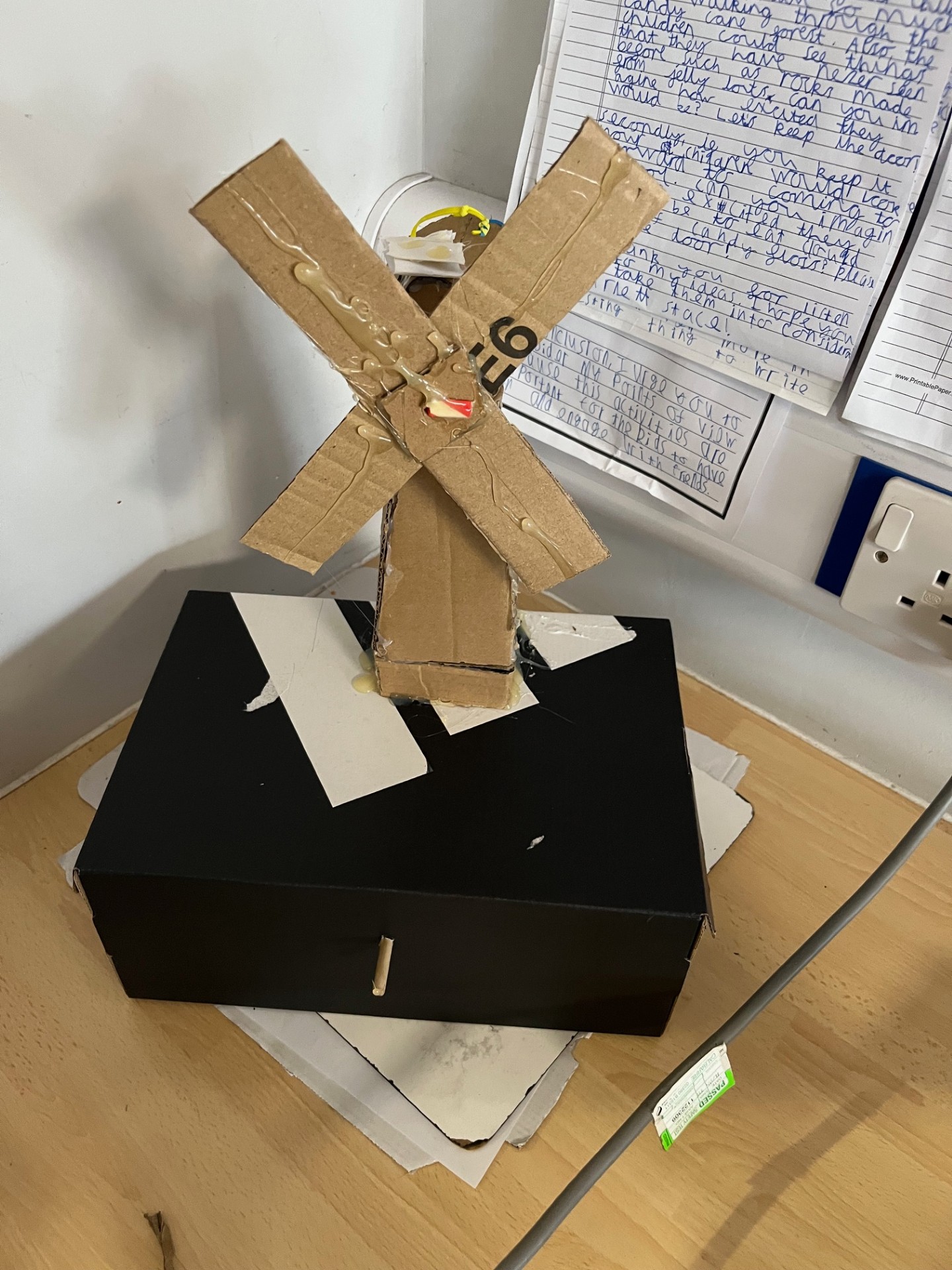
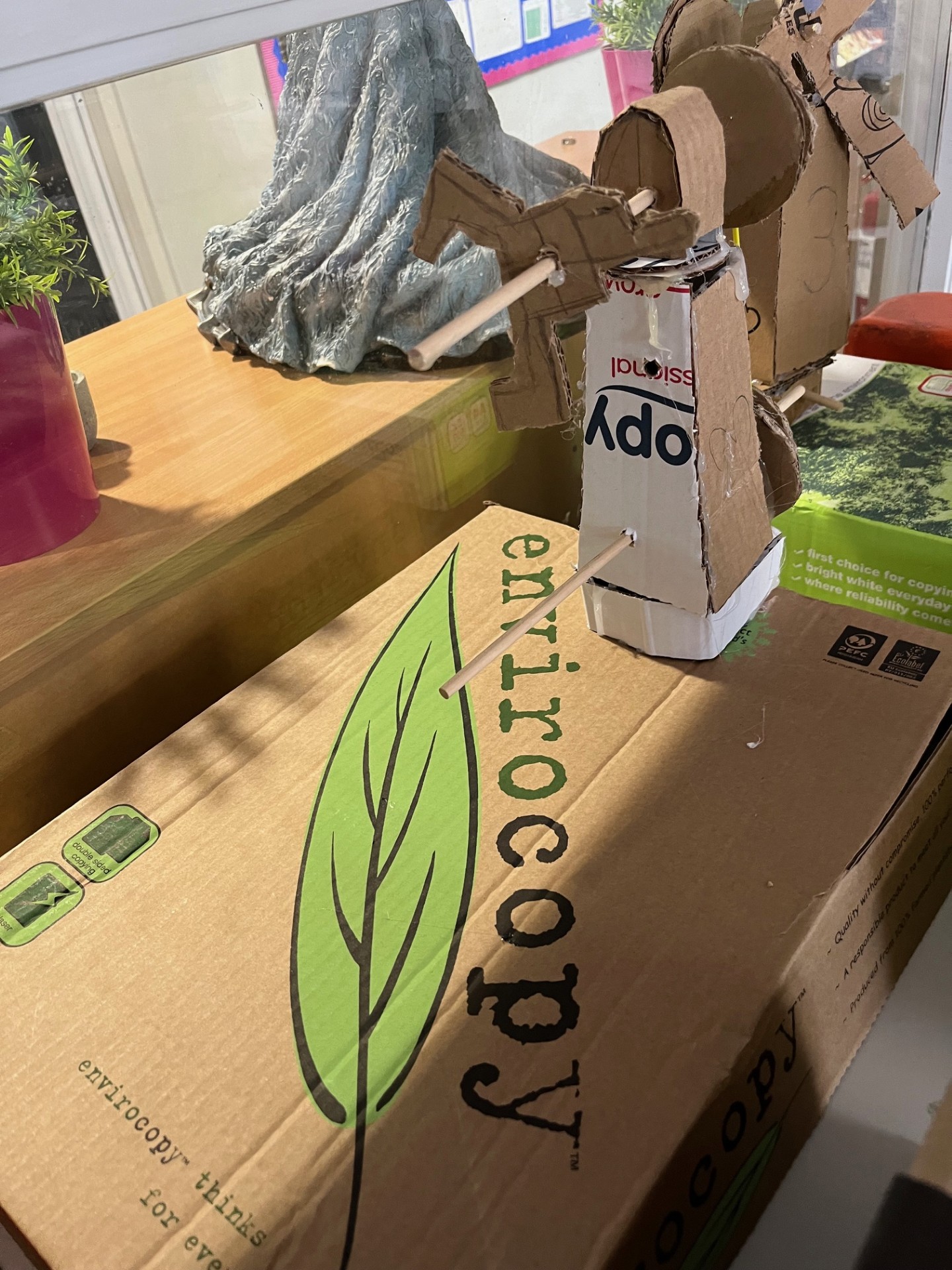
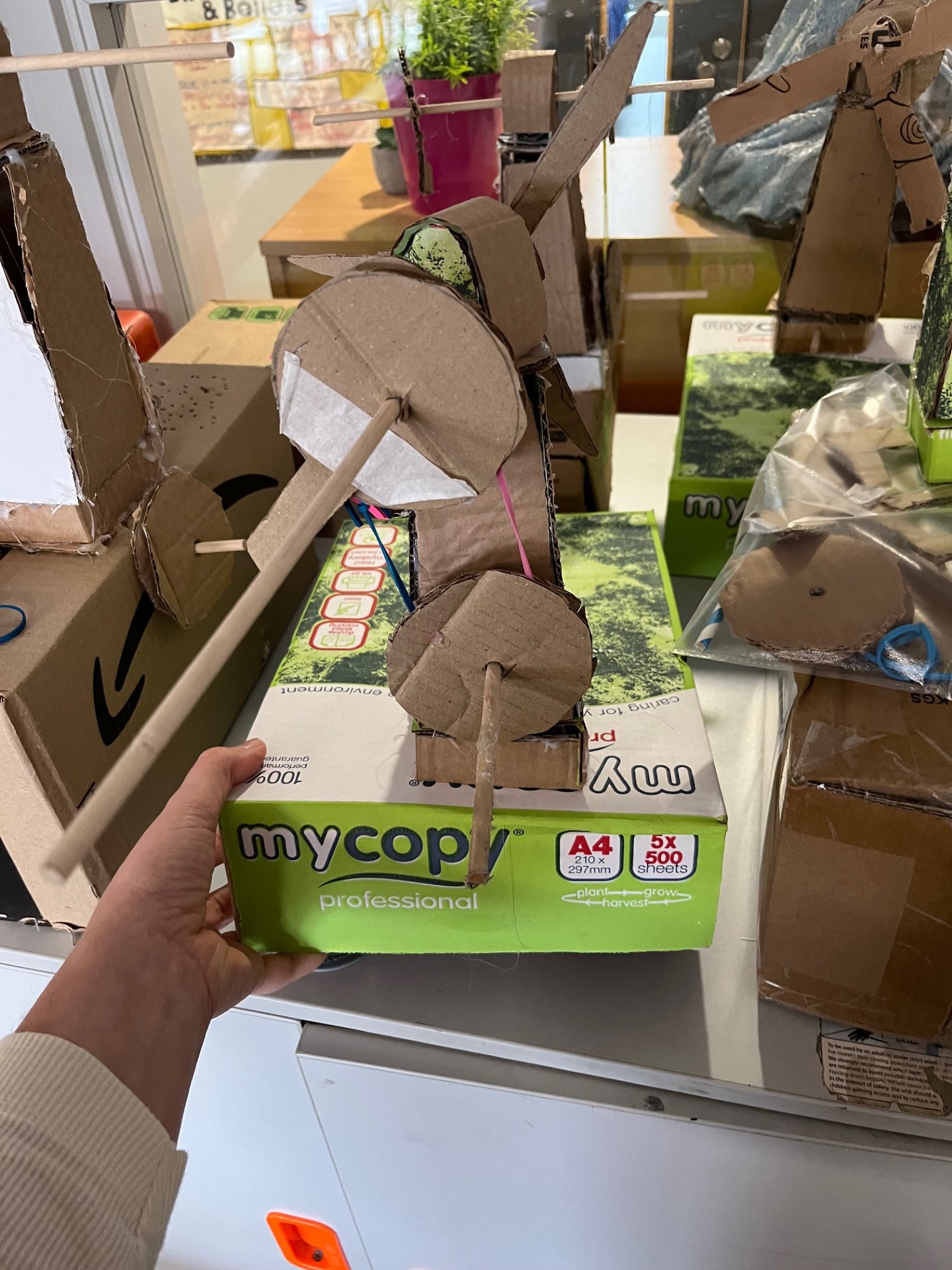
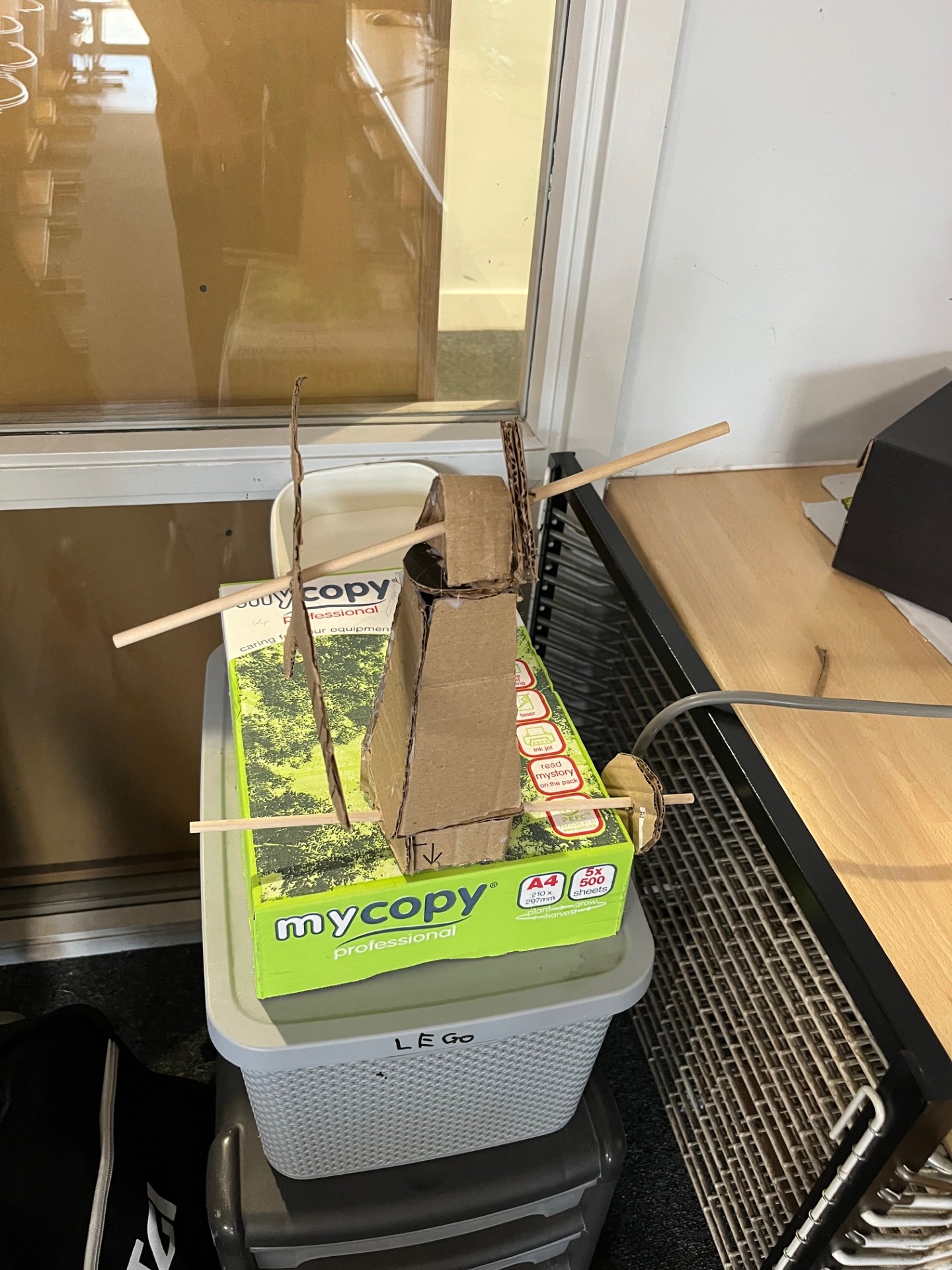
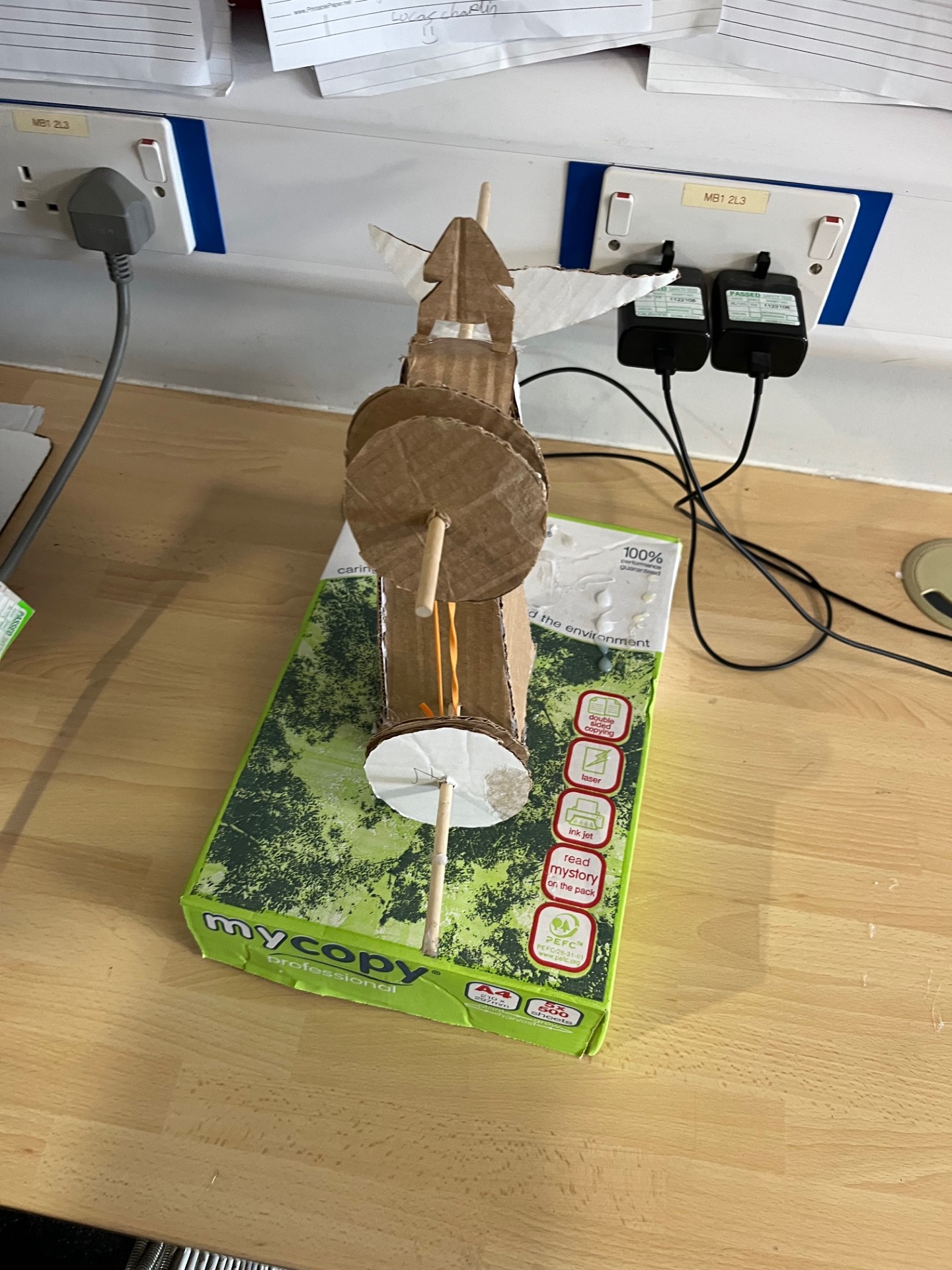
Year 5 had an exciting day diving into the world of renewable and sustainable energy. Pupils explored how climate change and greenhouse gases are affecting our planet, and discussed why switching to renewable energy sources is so important for our future. Using their new knowledge, they then put science into action by designing and building their own working wind turbines. Using a simple gear system, the children experimented with blade shapes, angles, and efficiency to generate movement. It was a fantastic hands‑on project that combined creativity, engineering, and environmental awareness—well done, Year 5!
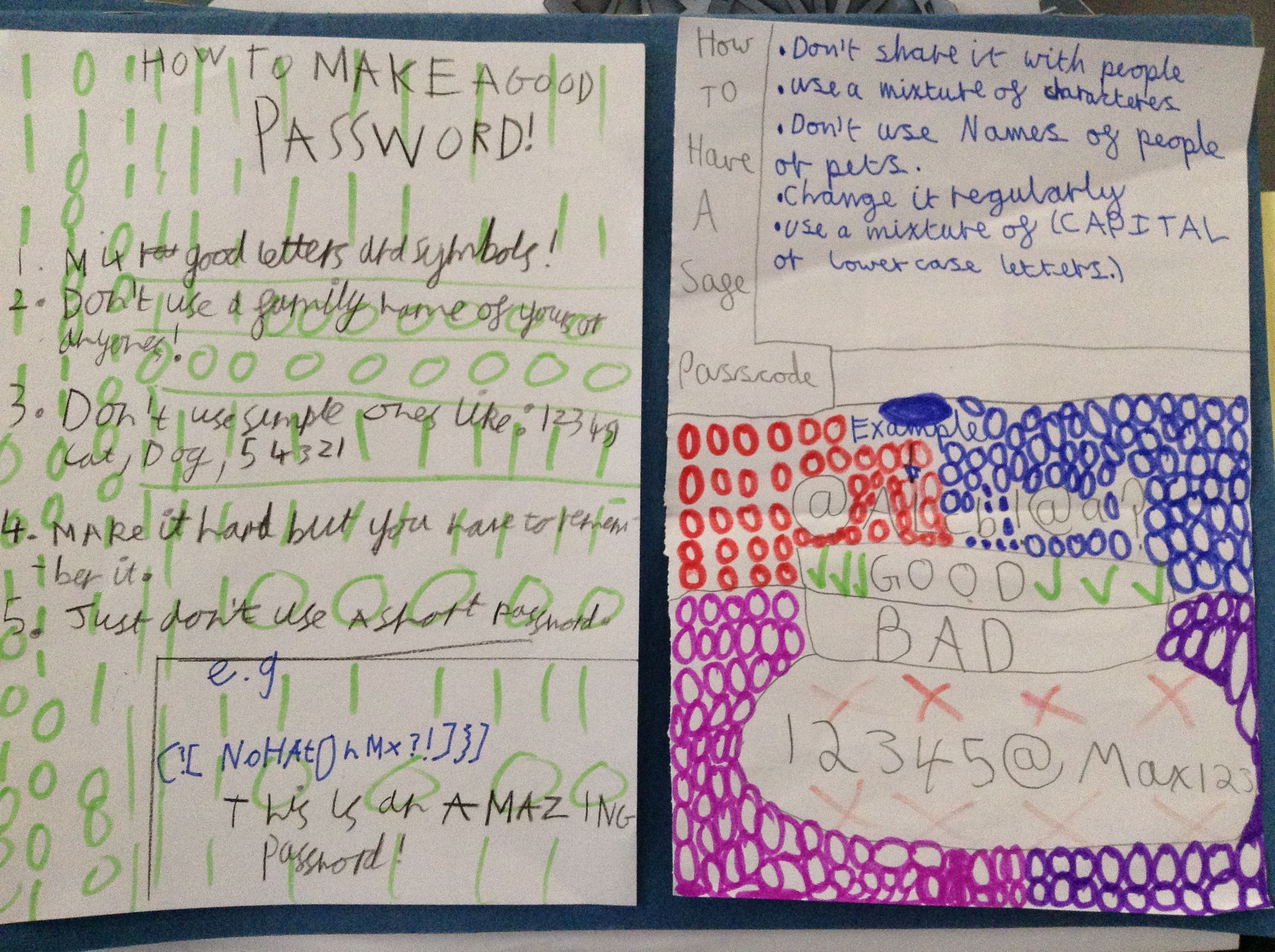
During Online Safety Day, Year 5 explored the importance of creating safe and secure passwords. We discussed how strong passwords help protect our personal information and keep our online profiles secure. Together, we identified a set of rules we should all follow: use a mixture of characters, keep passwords private, avoid obvious names or words, and change them regularly.
On Friday 9th January, Year 5 took their angle exploration to a whole new level, turning the classroom tables into a geometric pattern. Using strips of masking tape, pupils designed their own unique line patterns, each one filled with opportunities to spot and classify angles.
Once their patterns were complete, the class set to work identifying acute, obtuse, and right angles hidden within their designs. It was brilliant to see how quickly they began spotting relationships and discussing what made each angle type different.
The highlight came when they put their newly learned protractor skills to the test. With determination and resilience, pupils measured each angle with accuracy, checking, comparing, and refining their results like true mathematicians.


Winchester Science Museum
Year 5 had a fantastic visit to the Winchester Science Museum on the 8th January.
The children showed great motivation and aspiration as they explored the museum, particularly enjoying the hands‑on exhibits linked to sound, light and space. Their curiosity and independence shone through as they investigated each activity and discussed their discoveries with one another.
During the Star Seekers workshop, the children learned how satellites work in space. They explored which materials might be most suitable and tested their ideas using heat lamps and thermometers, demonstrating real scientific resilience as they refined their predictions. We also investigated light refraction and how light travels, experimenting with laser mazes and using mirrors and beam splitters to direct beams of light.
A highlight of the day was our visit to the planetarium, where we were fully immersed in the galaxy. The children showed wonderful respect as they listened and learned about the planets in our solar system and explored some well‑known constellations.
It was a brilliant day of learning, discovery and teamwork, and we were incredibly proud of how Year 5 represented our school.


We created our own 'hanging' Christmas decorations from foliage that we foraged from the school grounds. We took cuttings from evergreen trees, such as our conifer and laurel. Hopefully, you can find a nice spot to hang these at home. They smell great too - we even added some seasonal herb cuttings from our flowerbeds!


At Forest School, Year 5 children excitedly learnt about the French method of semaphore, using colourful flags to signal letters across the field. This engaging, historical form of communication sparked their creativity and teamwork, as they crafted messages and connected with one another in a fun, interactive way.


