Heatherlands Primary School

Part of Coastal Learning Partnership
Home learning
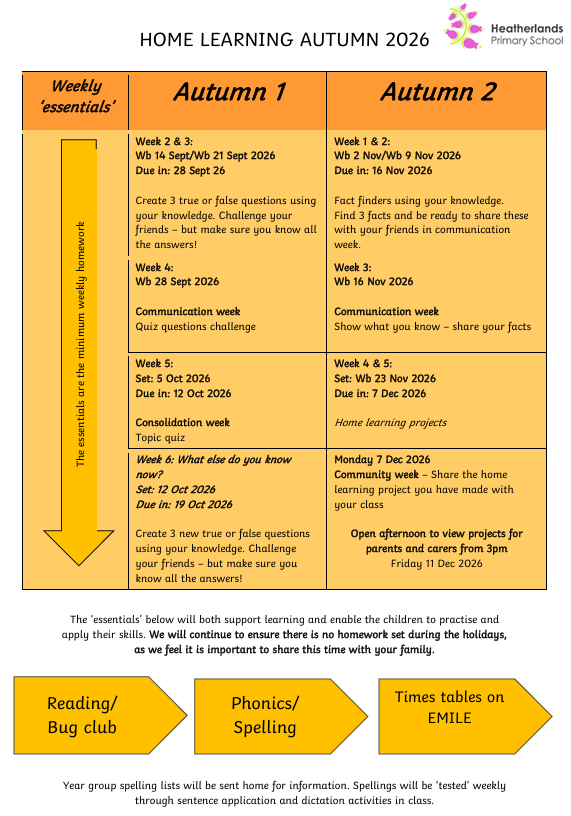
Please find the home learning schedules and guidance leaflet below. We run the schedule on a termly basis and include 'the essentials' which include regular reading and phonics, spelling and times tables.

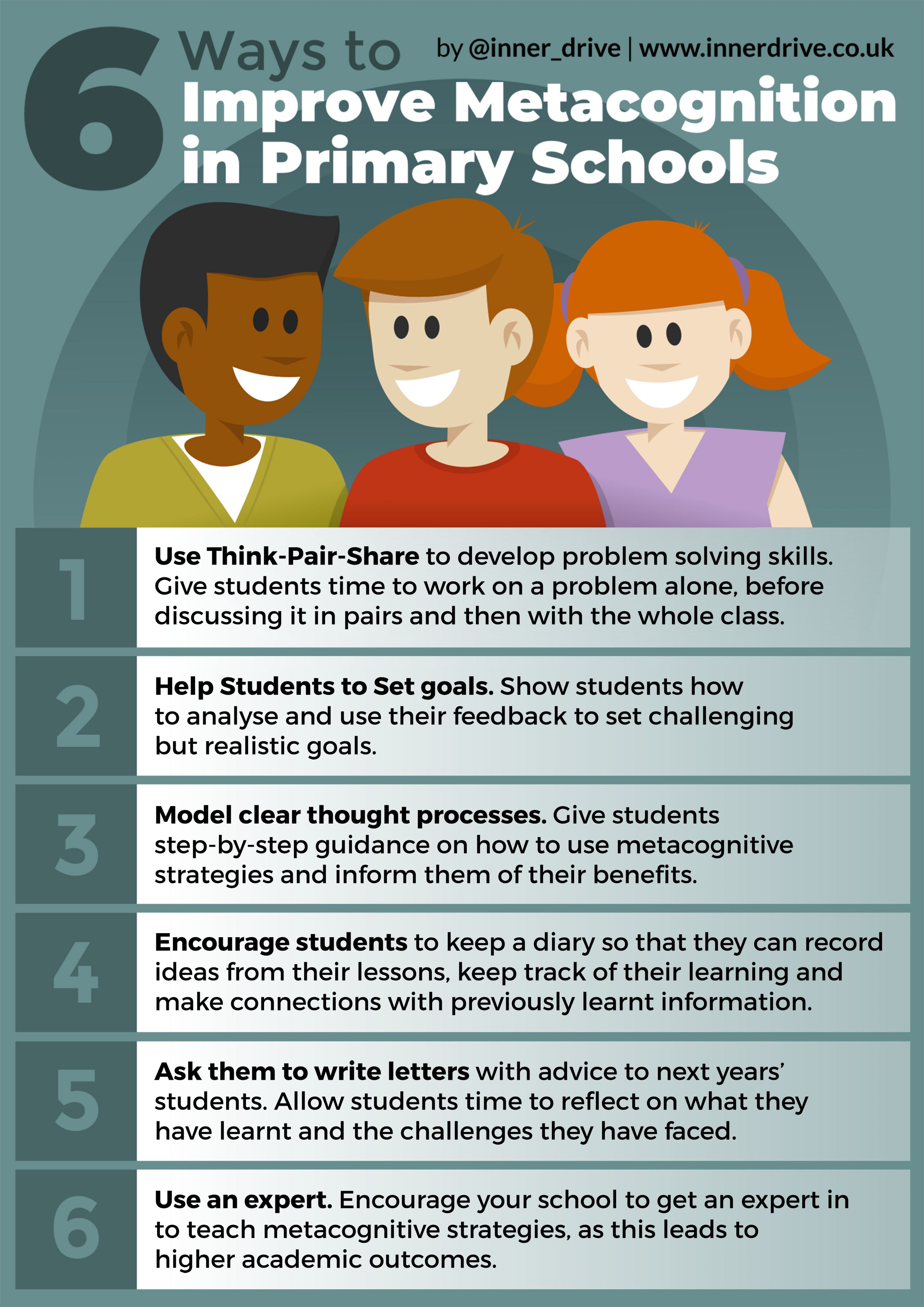
Metacognition in primary school is "thinking about thinking," helping children understand how they learn best, monitor their progress, and take charge of their own learning. It involves teaching pupils to plan, monitor, and evaluate their work, fostering independence and resilience rather than just memorising facts.
Key aspects of metacognition in primary schools include:
- Three Key Stages:
- Planning: Deciding how to approach a task (e.g., "What tools do I need?").
- Monitoring: Checking progress while doing the task (e.g., "Is this strategy working?").
- Evaluating: Reviewing the outcome (e.g., "What could I do differently next time?").
- Active Learning: Children learn to identify when they are stuck and choose strategies to move forward, making them "independent learners".
- Self-Regulation: Managing their own thoughts, feelings, and behaviours to improve learning outcomes.
- Building Reflection: Encouraging skills like curiosity, resilience, and adaptability (sometimes called "learning muscles").