Heatherlands Primary School
Part of Coastal Learning Partnership
Science
The Science 'Big Ideas'
The ‘Big Ideas’ relate to elements within a subject discipline or refer to important concepts that contribute to pupils’ personal and social development. It is essential that the ‘Big Ideas’ within each subject are understood by the children and become part of their common classroom language. In science, these 'Big Ideas' are:
- Investigation
- Explanation
- Observation
Science curriculum statement
Science Subject Overview
Science progression map
Science Club Newsletter Update – Key Stage 1
Today in Science Club, we explored the viscosity of different liquids. We began with a fun marble race using oil, dish soap, water, and syrup. The children observed that the marbles in the oil reached the bottom the fastest, showing that oil has the lowest viscosity. In contrast, the marbles moved very slowly through the syrup, demonstrating that it has a much higher viscosity.
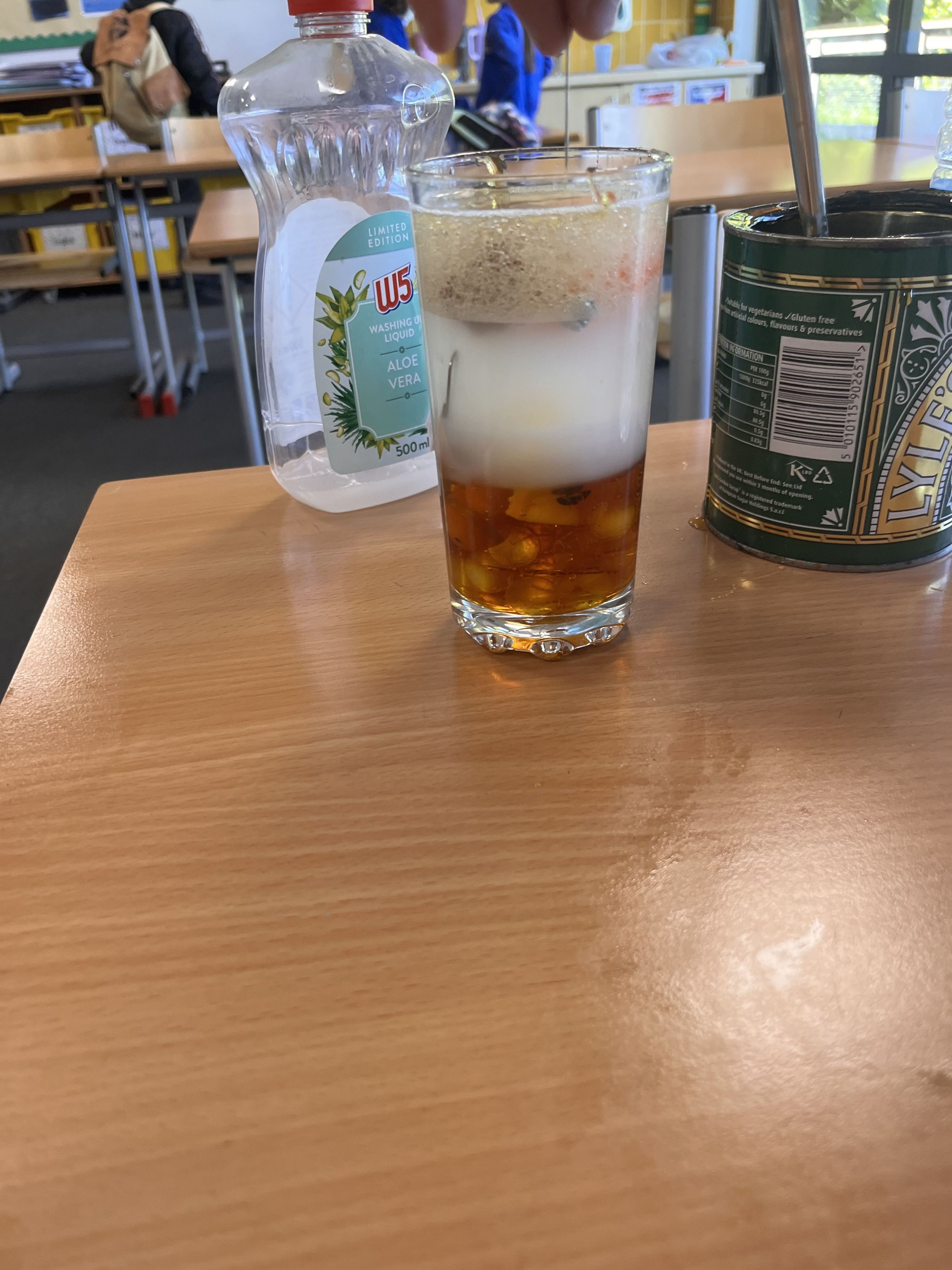
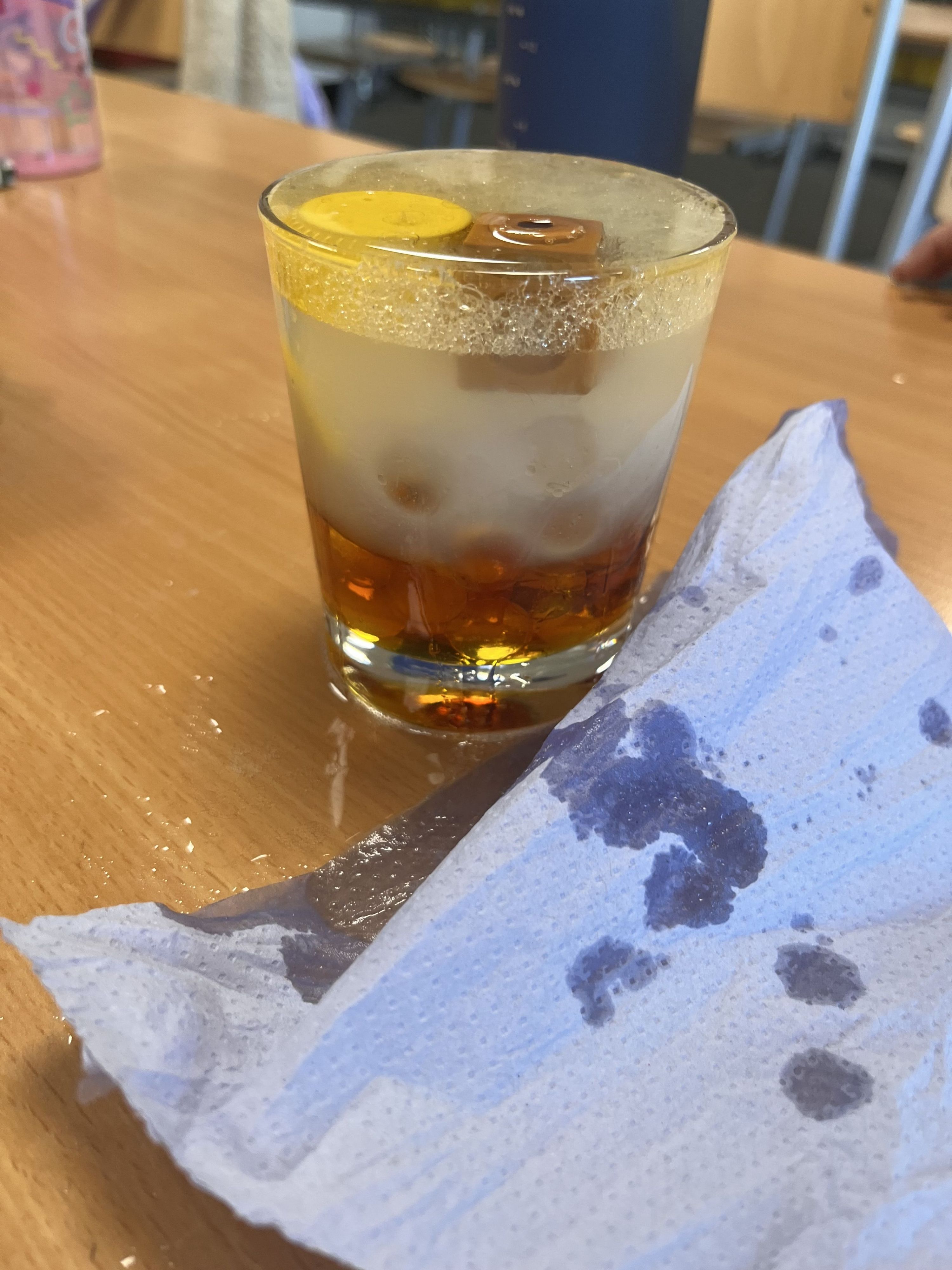
Next, we carefully layered the liquids in a glass. The liquids stayed in separate layers, which led to a great discussion about how liquids can have different properties, including viscosity and density.
Finally, we tested what would happen when we dropped different objects into the layered liquids. We noticed that lighter objects, such as paper clips, moved very slowly and sometimes did not sink all the way through the syrup. This helped us think about how both the weight of an object and the thickness of a liquid affect how things move through it.
It was a fantastic hands-on session, full of curiosity and great scientific thinking!
Science week
We found out that carrots do not float so we had to find a way to make them float.
We wrapped them in bubblewrap, tin foil, paper and even made them some lego boats to float on!
We found out that the bublewrap made the carrot float as it was a waterproof material. The tin foil was also good. The cardboard absorbed the water, so it floated for a little but then it started to sink to the bottom as it got wet and soggy.


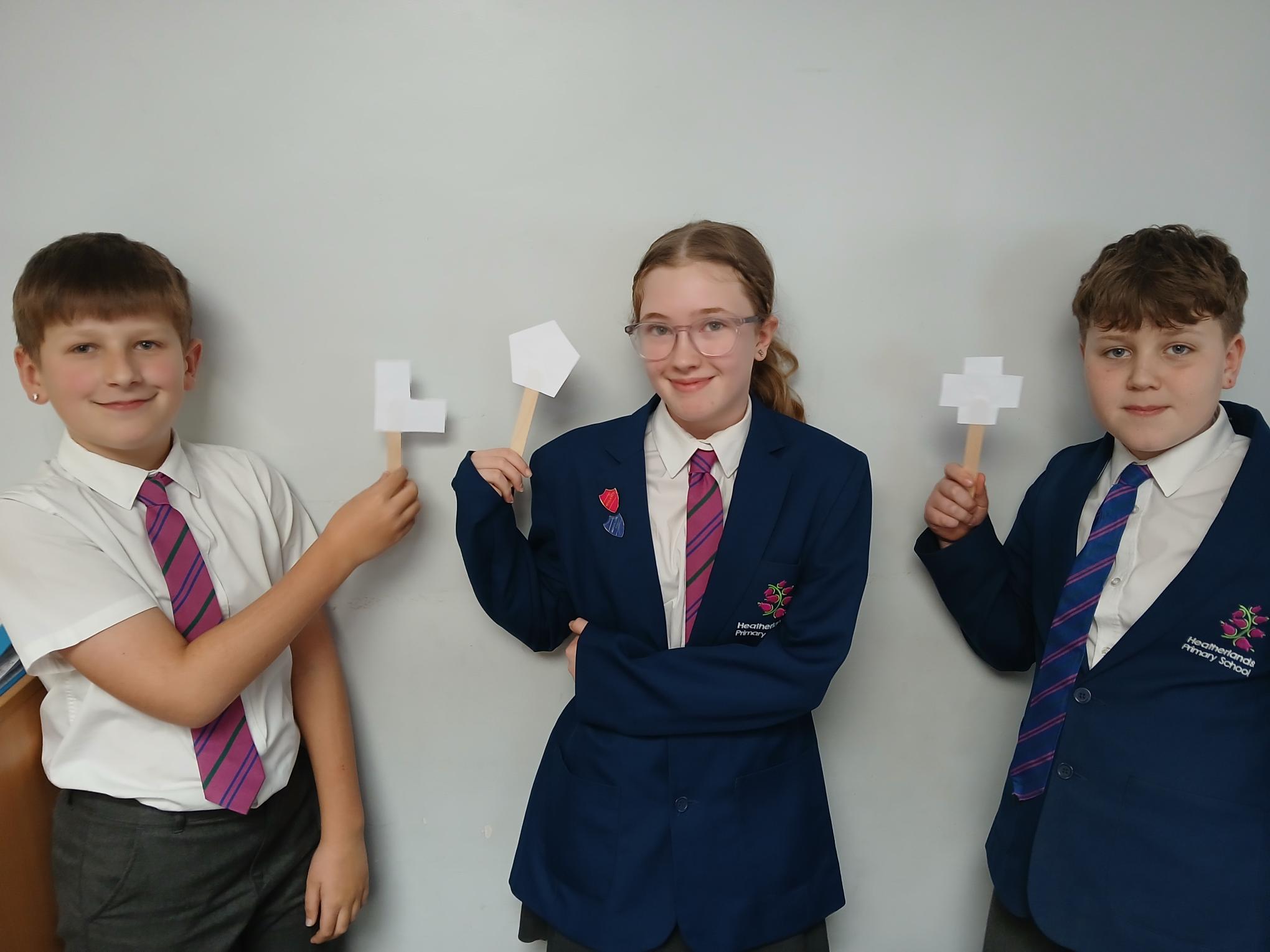
Year 6 completed an investigation into shadows this week during British Science Week. This linked in with our previous learning all about light and how we see.
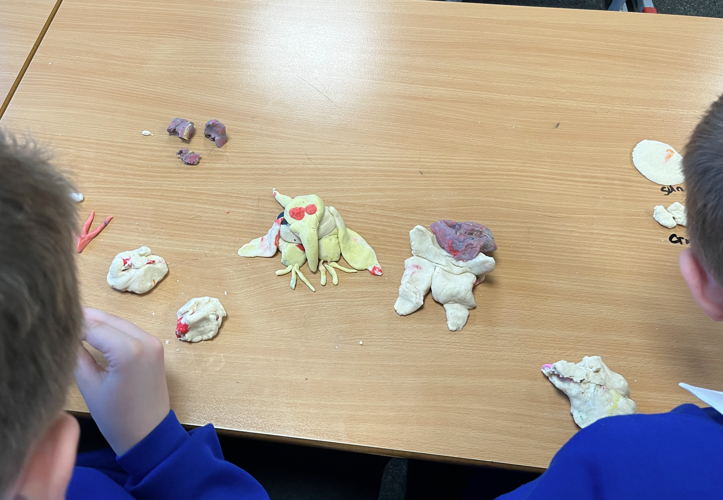
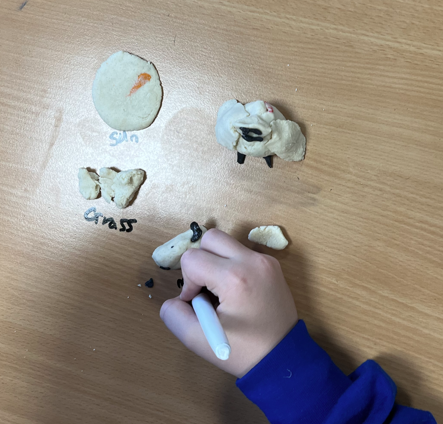
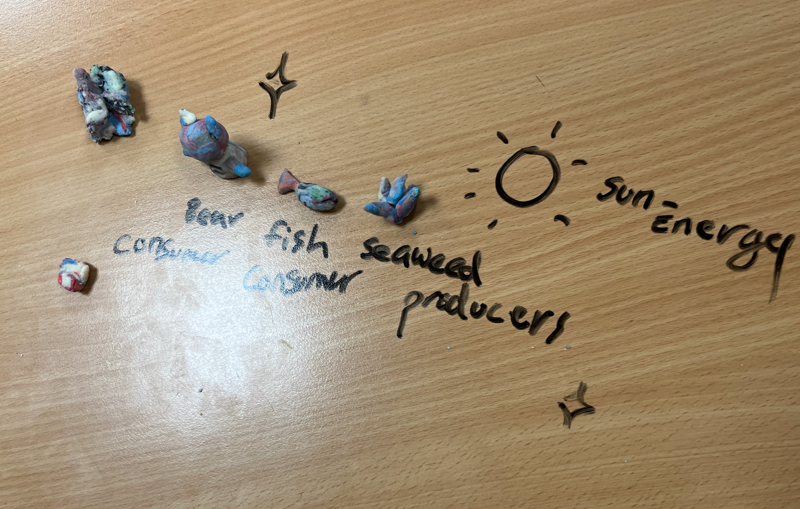
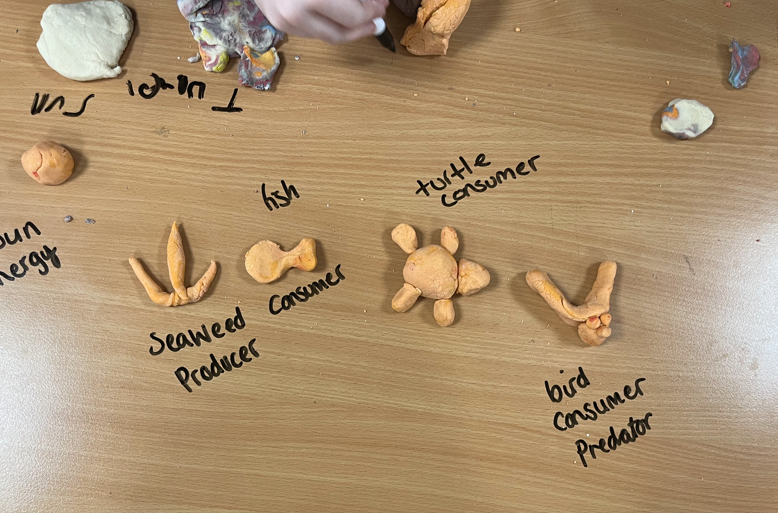
Another fun evening at Science club. This week we made food chains out of salt dough and discussed that food chains have producers, consumers and start with an energy source.
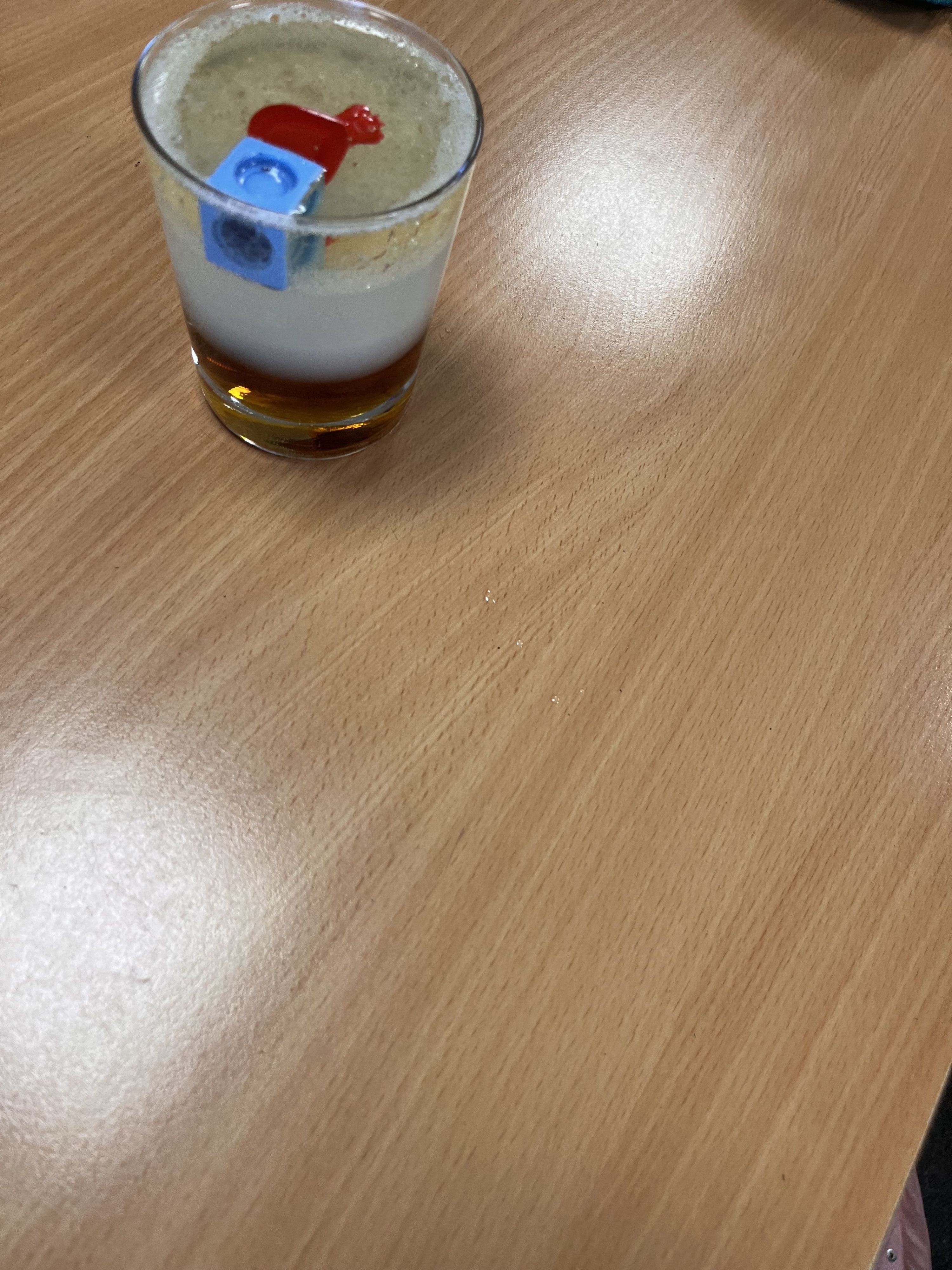
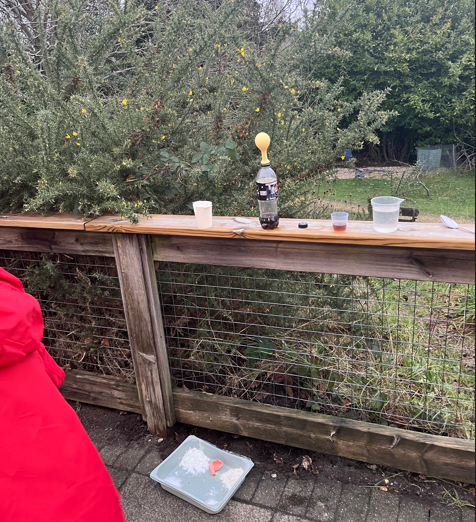
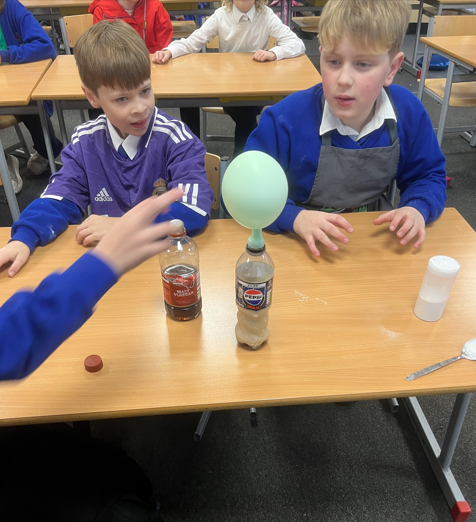
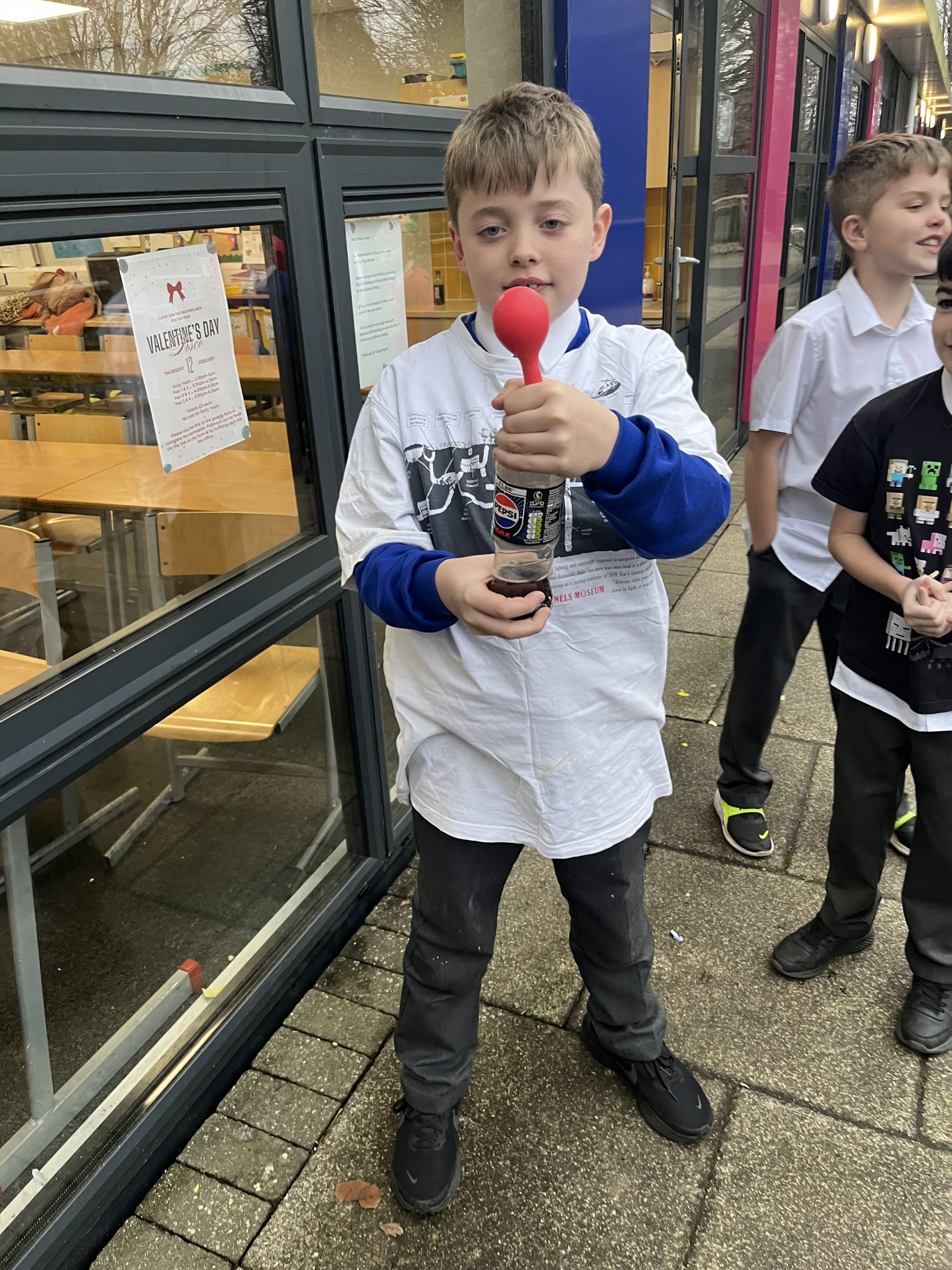
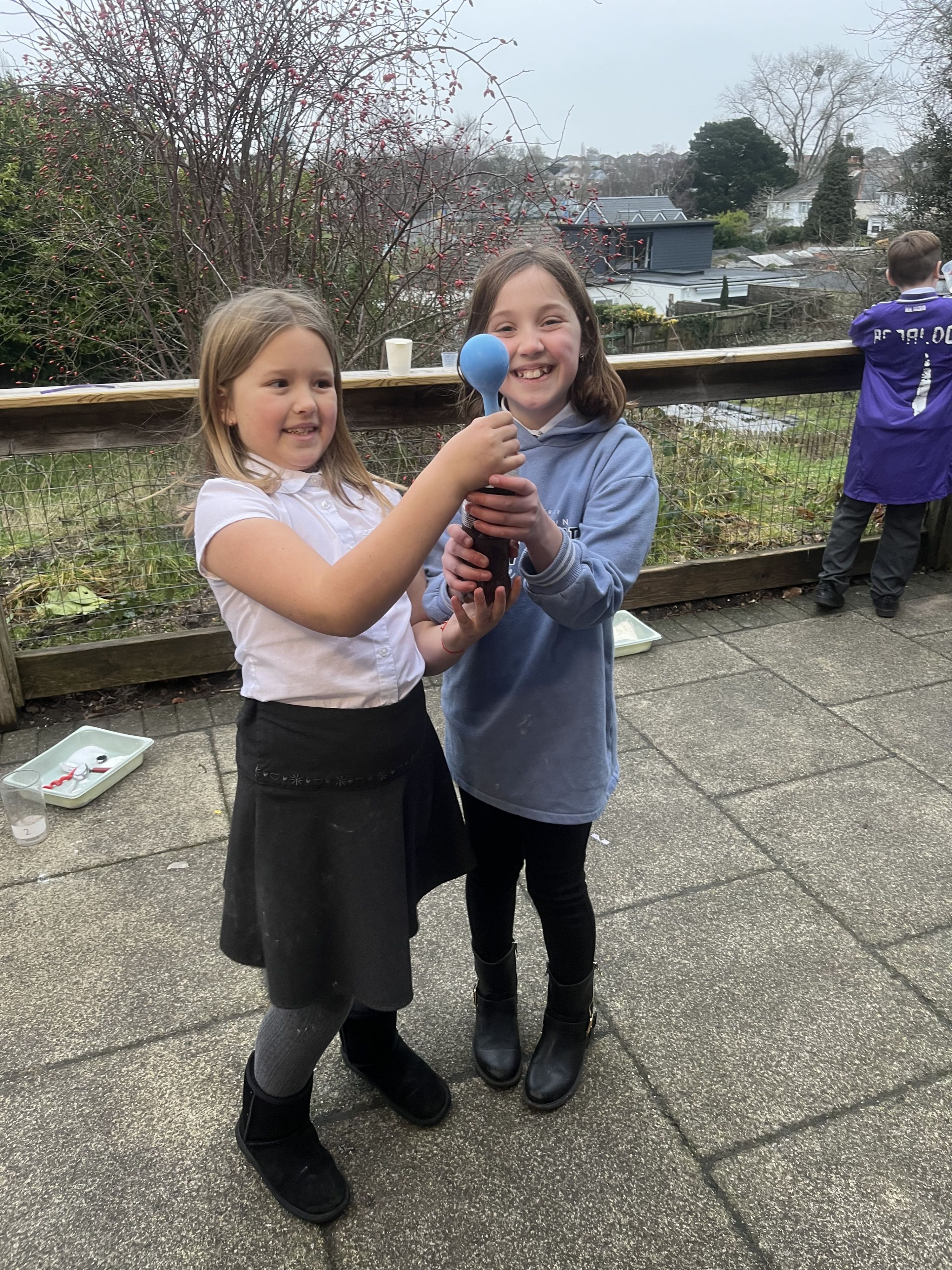
Another great evening at science club. Can you inflate the balloon using a range of substances? We had a lot of messy fun this evening!
A Turtle-Tastic Start! 🐢
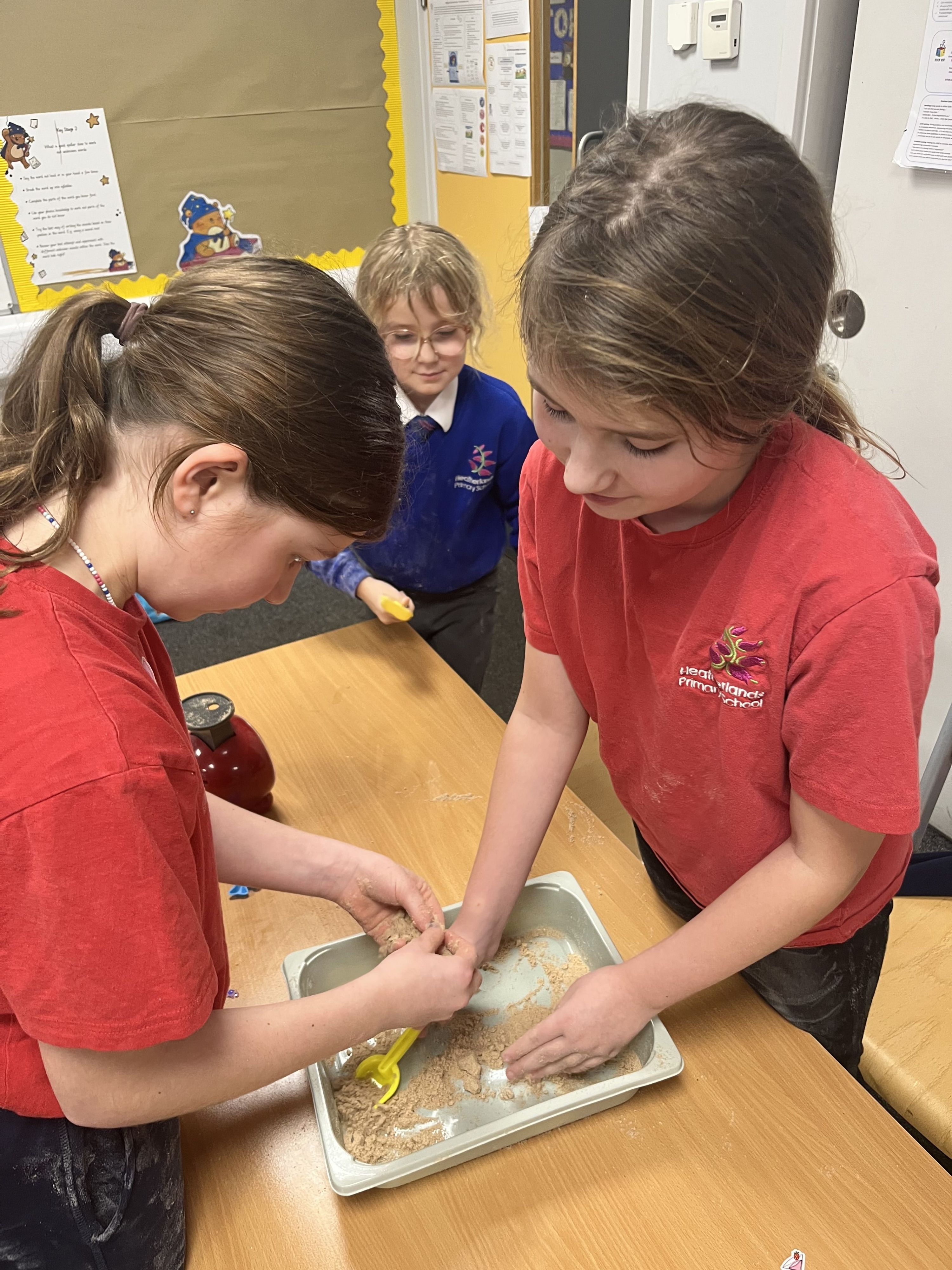
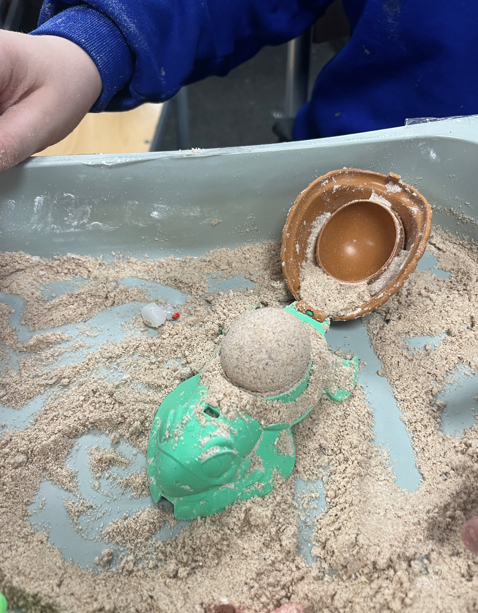
Tonight was a fantastic start to Science Club! We explored the fascinating life cycle of turtles and learned how adult turtles return to the very same beaches where they were born—sometimes 20 years later—to lay their eggs.
We also discussed the many challenges turtle hatchlings face when they first emerge from their nests, including dangers such as drowning and predators like birds. This led to a great conversation about why so few hatchlings survive and why protecting turtle habitats is so important.
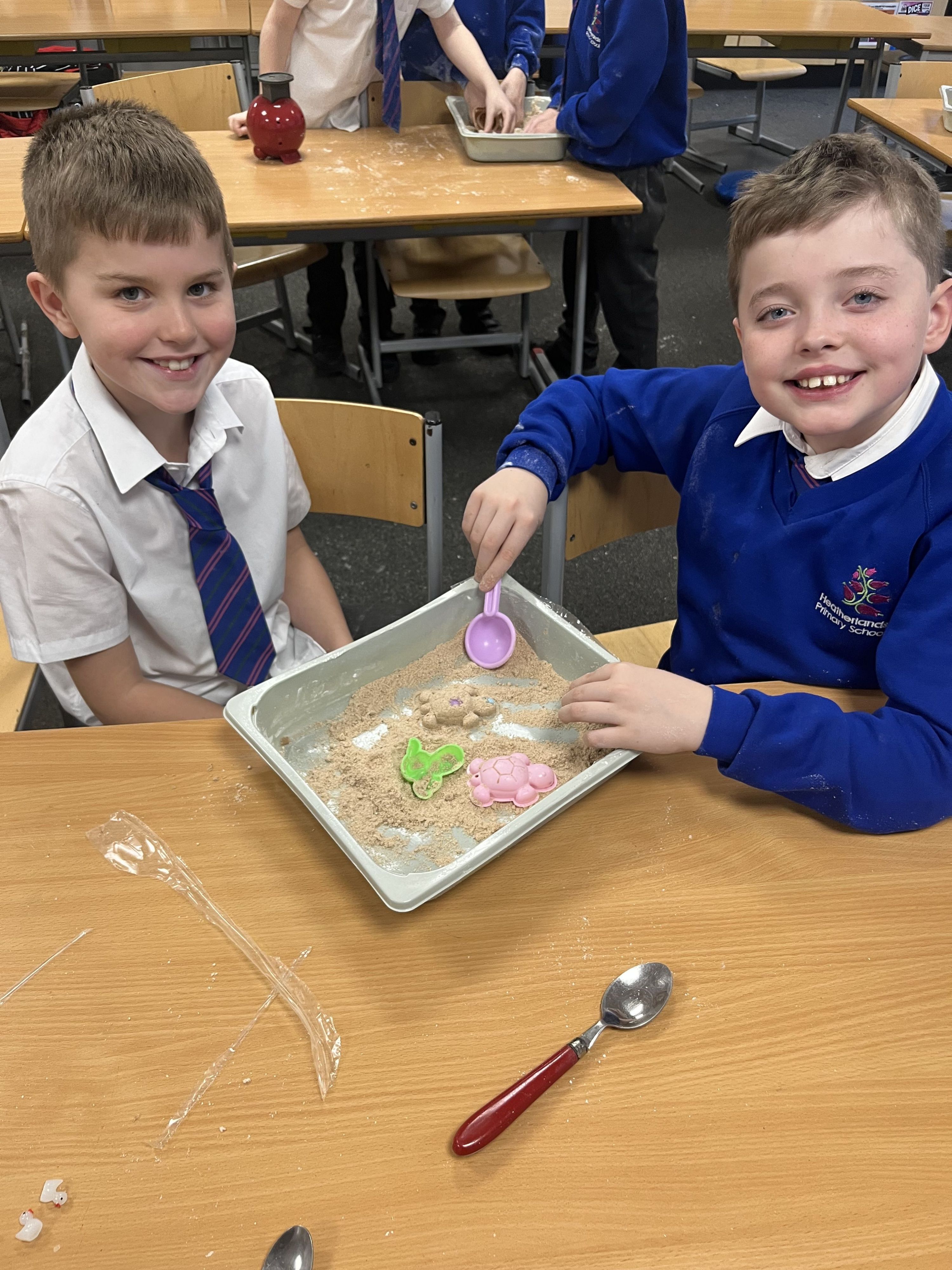
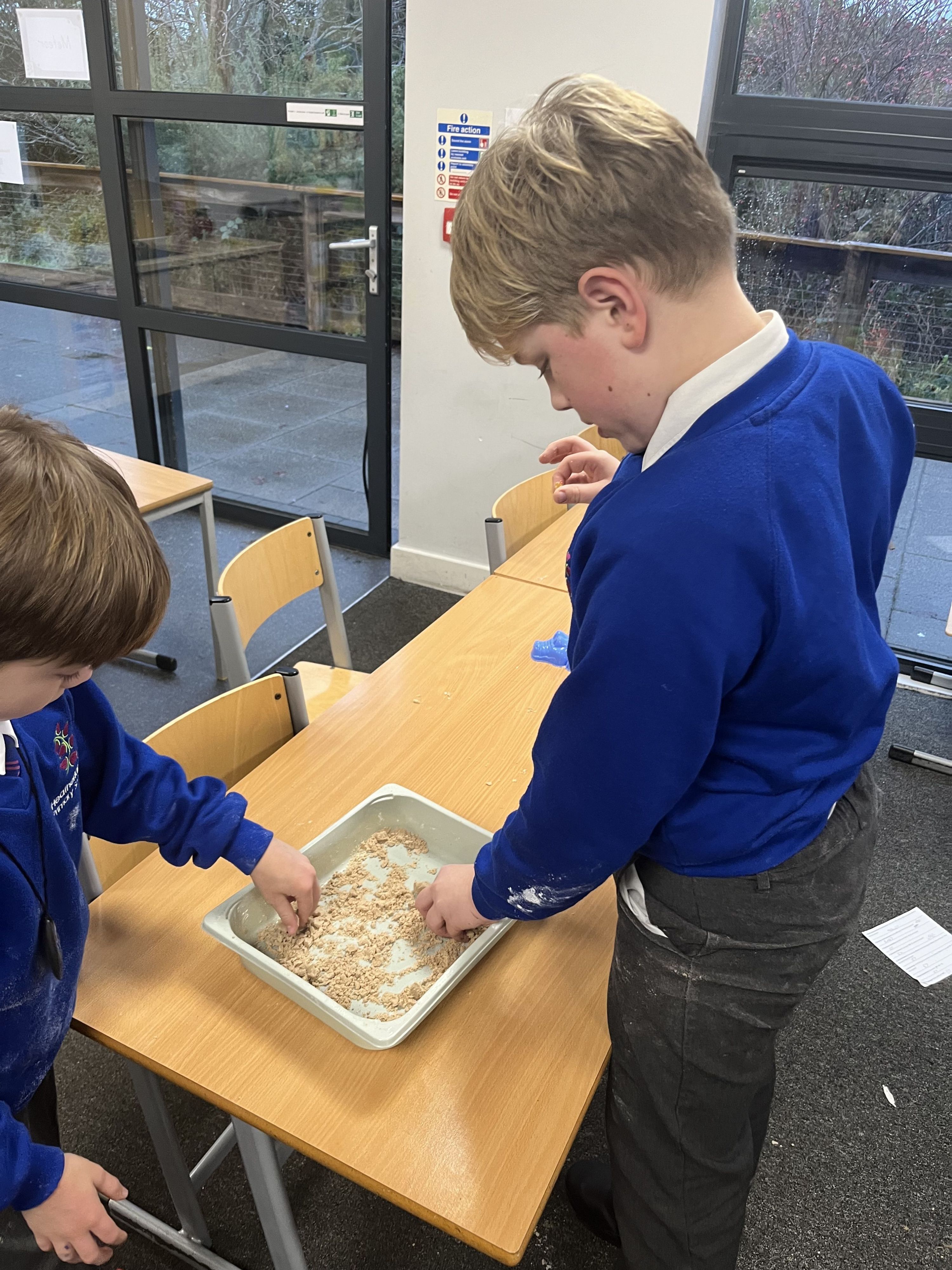
To finish the session, we got hands-on and creative by making our own turtle beaches using homemade kinetic sand. Our recipe was:
- 5 parts sand
- 3 parts cornflour
- 1 part oil
Using resin turtles, the children created their own turtle eggs and nests in the kinetic sand, recreating what they had learned in a fun and memorable way.
It was a brilliant first session full of learning, discussion, and creativity. We can’t wait for our next Science Club.